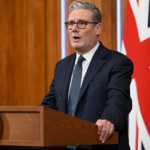


Prime Minister Sir Keir Starmer is set to declare that Britain stands at a “crossroads” in a keynote address ahead of Labour’s annual conference this weekend, warning voters of a stark choice between “division and decline” under Reform UK or “unity and progress” under Labour.
The intervention comes as Labour grapples with the rise of Nigel Farage’s Reform party, which has disrupted the traditional two-party battle and cut into Labour’s support as well as the Conservatives’. The challenge has raised alarm within Labour ranks, with some MPs frustrated that the leadership’s response has so far lacked urgency and passion.
This week highlighted the dilemma when Farage proposed ending Indefinite Leave to Remain for existing migrants. Labour’s reaction was fragmented: Chancellor Rachel Reeves dismissed the policy as a gimmick, Party Chair Anna Turley warned of broken families, while MP Sarah Owen condemned it as “morally abhorrent.” Critics say the differing tones reveal uncertainty over whether to dismiss Reform as unserious or attack it as dangerously extreme.
The stakes are high. Labour strategists see parallels with other centre-left parties worldwide facing a resurgent populist right. At a London conference on Friday, the Institute for Public Policy Research (IPPR) and international think tanks gathered progressive leaders to share strategies. Lessons were drawn from Australia’s Anthony Albanese, who tightened visa rules early in his term and paired them with a defence of skilled migration, as well as from Spain’s Pedro Sanchez, who frames immigration as an economic benefit, and Denmark’s Mette Frederiksen, who has taken a tougher asylum stance.
Domestically, Labour is testing messages around “contribution” — the principle that those who pay in should clearly see what they get out. A recent Labour Together report argued that rebuilding this trust is key, particularly as voters feel worse off and disconnected from public services. Former Starmer adviser Claire Ainsley suggested sowing doubts about Reform’s credibility while addressing core issues such as migration and economic fairness.
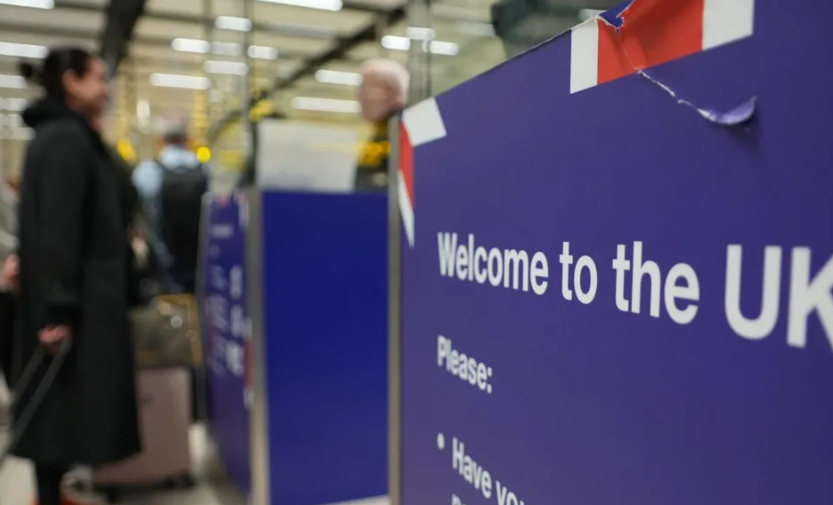
Symbolism is also at play. Starmer is expected to signal an effort to reclaim the Union flag from far-right groups, echoing earlier attempts by Neil Kinnock, Tony Blair and Gordon Brown to associate Labour with patriotism. Yet polling suggests the public is divided: left-leaning voters often see flag displays as hostile to immigrants, while right-leaning voters view them as a protest against immigration policy.
Party insiders warn that simply attacking Farage will not be enough. Labour MP Clive Lewis said the prime minister must build trust and change the political culture if he is to counter Reform’s appeal. Others argue for a “progressive patriotism,” rooted in shared values, that offers voters a clear sense of what Labour stands for, not just what it opposes.
As Starmer prepares to address delegates in Liverpool, the speech is seen as a crucial moment to rally Labour supporters, sharpen the party’s message, and set out a vision to counter the populist tide reshaping British politics.