

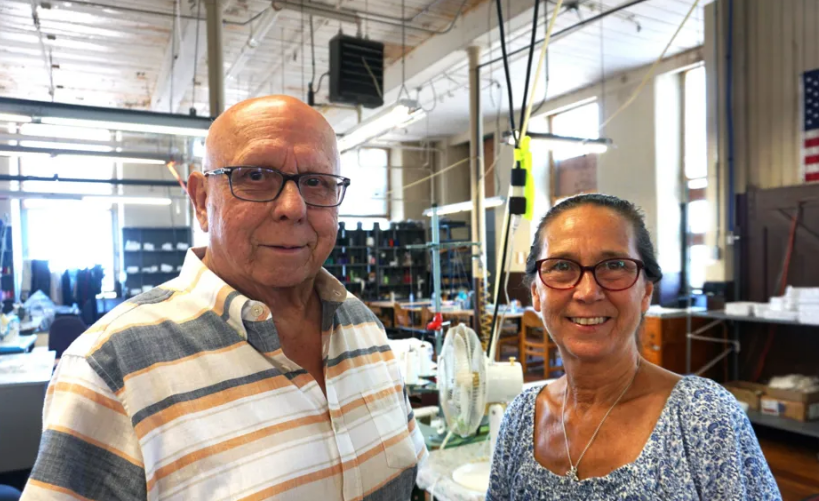
In a corner of a cavernous 1890s factory in Fall River, Massachusetts, 15 workers sit bent over sewing machines, producing specialty hospital-grade neonatal gear. They are all that remain of what was once a bustling operation run by the Teixeira family, which shifted most of its focus to warehousing and distribution after shutting down its larger manufacturing lines in 1990.
Since the Trump administration rolled out sweeping tariffs on imported goods, the Teixeiras have received renewed interest from companies eager to secure US-based sewing services. But owner Frank Teixeira has declined those offers, citing hiring difficulties amid immigration crackdowns and doubts about whether demand will last. “It’s just not going to happen,” he said. “Tariffs are a bad policy and eventually are going to come home to haunt us.”
The skepticism underscores the challenges facing President Donald Trump’s pledge to revive American manufacturing through tariffs. The policy was a cornerstone of his campaign, resonating with working-class voters in former industrial strongholds such as Fall River—a city that handed a Republican candidate its first victory in a century.
But nine months into his term, the gap between political promises and economic reality is beginning to show. US employment growth has slowed significantly, including in manufacturing, where firms shed 12,000 jobs last month. Surveys also suggest industry activity is in contraction.
A Federal Reserve poll in Dallas found that 71% of manufacturers reported tariffs ranging from 10% to 50% had already hurt their businesses, raising input costs and eroding profits.
Among those feeling the strain is Matouk, a luxury bedding manufacturer located near the Teixeiras. Founded in 1929 and now employing around 300 people, the firm has seen monthly costs jump by more than $100,000 since tariffs began hitting imported supplies such as cotton fabric and down feathers. Chief executive George Matouk said the added expenses have forced him to cut investment in equipment and marketing.
“Because the materials are subject to tariffs just like everything else, the benefits are not there,” Matouk said. “It’s really frustrating that now we’re being penalised after doing all the things we were supposed to do to invest in American manufacturing.”
Others share the concern. At Vanson Leathers, a motorcycle jacket maker, owner Mike van der Sleesen said tariffs have driven up his costs by 15% this year. While demand for his high-end jackets has remained strong, he worries about the uneven playing field. “It’s been a very uneven and unfair trade path for a company like Vanson,” he said.
Despite isolated reports of higher demand for US suppliers, many small manufacturers remain wary. For businesses like those in Fall River, Trump’s tariff strategy has so far brought more uncertainty than revival.