
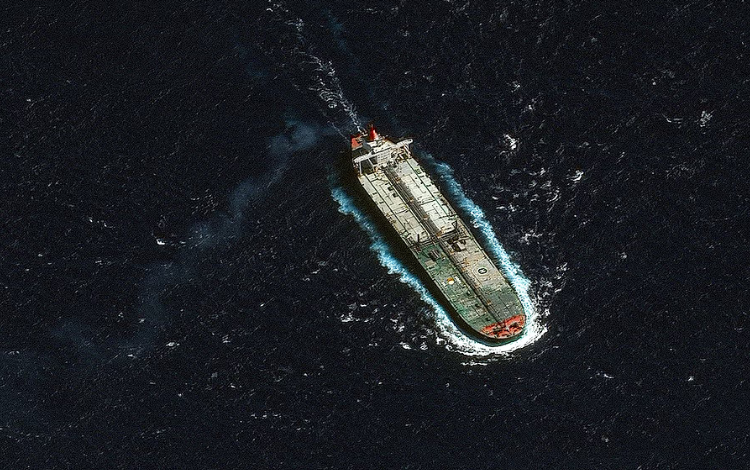
The US has seized an oil tanker that had recently left Venezuela, according to the US Department of Homeland Security. The action comes days after President Donald Trump ordered a “blockade” of sanctioned oil tankers entering or leaving the South American country.
US forces took control of the vessel off the Venezuelan coast on Saturday, marking the second such seizure in less than two weeks. The first tanker was stopped by US authorities on 10 December, as the Trump administration intensifies pressure on Venezuelan President Nicolas Maduro.
Homeland Security Secretary Kristi Noem confirmed the operation in a social media post on X. She wrote that “the US Coast Guard with the support of the Department of War” intercepted the oil tanker, which had last docked in Venezuela. Noem included a video showing a US helicopter deploying personnel onto a vessel identified as Centuries.
MarineTraffic, a platform that tracks ships using publicly available data, noted a crude oil tanker operating under the Panamanian flag with the name Centuries had recently been near the Venezuelan coast. It is unclear whether this vessel was specifically listed under US sanctions.
US officials who spoke on the condition of anonymity said the boarding was “consented,” with the tanker halting voluntarily to allow US personnel on board. Authorities have not released further details about the crew or the vessel’s cargo.
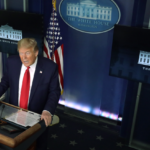
Trump’s administration has framed these measures as part of a broader strategy to increase economic and political pressure on Venezuela. The blockade of sanctioned tankers was announced earlier this week and aims to prevent Venezuelan oil exports from fueling the Maduro government. The president has repeatedly cited the country’s humanitarian crisis and alleged corruption as justification for the sanctions and maritime operations.
Analysts say these seizures reflect an escalation in US tactics, signaling that Washington is prepared to take direct action against vessels that might violate sanctions. The Pentagon and Coast Guard have coordinated closely on the operations, using aerial support and boarding teams to enforce the measures.
Venezuela’s government has yet to respond publicly to the latest seizure. In past incidents, Caracas has condemned US maritime actions as illegal and accused Washington of interfering in the country’s sovereignty.
The US operations demonstrate the administration’s willingness to target the Venezuelan oil sector, which remains a vital source of revenue for the Maduro government. Observers note that such seizures could have implications for global oil markets, particularly in the region, where Venezuela is a major crude supplier.
As the situation develops, US authorities are expected to continue monitoring maritime traffic in the Caribbean and to enforce sanctions rigorously, aiming to limit the Maduro government’s access to international oil revenues and strengthen the impact of US foreign policy measures.