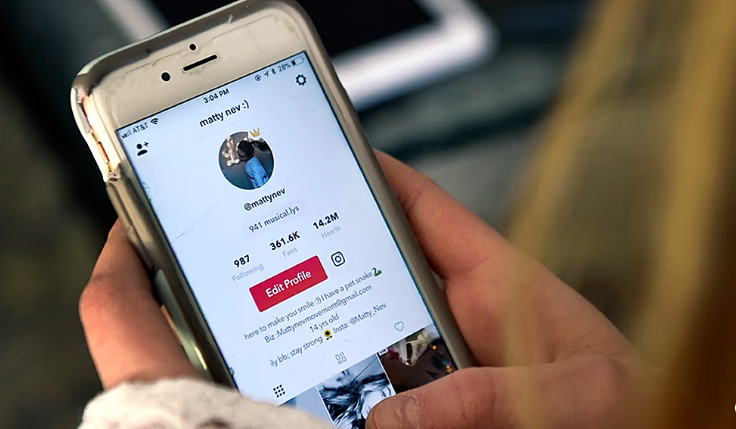
Portugal’s parliament has approved a new law restricting access to social media platforms for children under the age of 16, joining a growing number of countries introducing tighter controls aimed at protecting young people online. The measure requires parental consent for teenagers aged between 13 and 16, while banning access entirely for children younger than 13.
Under the legislation, minors aged 16 and above will be able to access social media platforms independently. Children aged 13 to 16 will only be allowed to use services such as Instagram, Facebook, and TikTok if their parents or legal guardians provide verified consent. Children under 13 will not be permitted to create accounts or access platforms covered by the law.
Lawmakers said the changes are designed to address concerns about the impact of social media on children’s mental health, safety, and development. The bill requires platforms to introduce safeguards for users aged 13 to 16, including measures to reduce exposure to violent or sexual content, addictive features, and manipulated images or videos.
To enforce the new rules, platforms must implement systems capable of verifying users’ ages and parental consent. The law specifies that identification mechanisms, such as Portugal’s Digital Mobile Key or similar tools, may be used to confirm eligibility while limiting access to personal information.
Portugal’s National Communications Authority and National Data Protection Commission are expected to oversee enforcement and ensure compliance. Authorities will monitor whether platforms are meeting legal obligations and protecting minors’ privacy.
The legislation sparked debate in parliament, with some opposition lawmakers raising concerns about how effectively the restrictions can be enforced. Critics warned that young users could bypass controls using virtual private networks, while others questioned whether additional identity verification could lead to increased collection of personal data.
Some politicians also argued that the law risks limiting personal freedoms. However, supporters said the measure is necessary to protect children from harmful online content and reduce the risks associated with early and unrestricted social media use.
Portugal’s decision reflects a broader international trend as governments respond to growing evidence linking social media use with mental health challenges among young people. Several European countries are considering similar measures, while others have already begun introducing restrictions.
France recently approved legislation limiting access to social media for users under 15, while Denmark has announced plans to introduce a similar ban. Italy and Spain are also reviewing proposals that would impose age limits and strengthen parental controls.
Supporters of these policies say stronger regulation is needed to ensure children can benefit from digital technology without being exposed to harmful content or addictive features. Portugal’s new law marks another step in Europe’s efforts to reshape how social media platforms operate for younger users and place greater responsibility on technology companies to safeguard minors.