The rapid adoption of electric vehicles (EVs) has created an increasing need for charging solutions that are not only efficient but also reliable and user-friendly. As more EV owners embrace EVs, the limitations of traditional infrastructure—such as inefficient energy distribution and strain on the power grid—have become more apparent. These issues highlight the need for smarter, more adaptable solutions that can meet the growing demand. Artificial intelligence (AI) is stepping in to fill this gap, bringing advanced technologies that optimize energy distribution, enhance system reliability, and deliver a seamless charging experience tailored to the unique needs of EV owners. The integration of AI in EV charging is reshaping how we think about powering electric vehicles, unlocking new possibilities for the future of energy management.
Traditional EV charging infrastructure is limited by inefficiencies, strain on the power grid, and challenges like short-cycling in EV charging, which can affect both battery health and system longevity. For EV owners, these limitations can result in unreliable charging experiences and contribute to higher energy costs. Additionally, when charging systems are not properly optimized, the power grid can experience unnecessary surges in demand, leading to outages or system malfunctions. AI-powered systems address these problems by balancing energy use, predicting maintenance needs, and ensuring that charging cycles are optimized. By overcoming these challenges, AI offers a proactive, intelligent approach to EV charging. Here, we will explore how these advancements are solving today’s issues and laying the foundation for a more sustainable, user-centric EV ecosystem.
Optimizing Energy Usage with AI
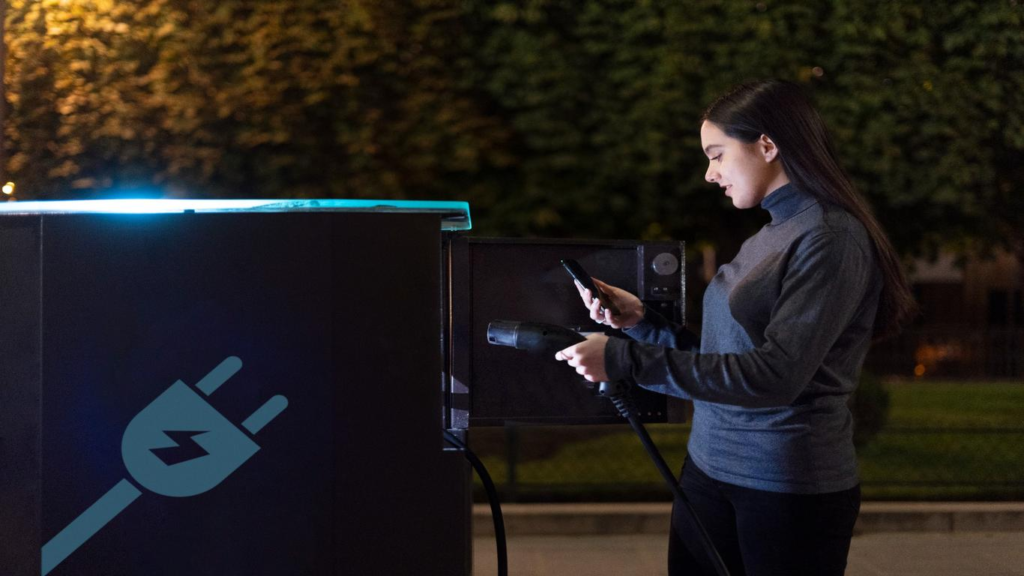
Artificial intelligence is revolutionizing how energy is managed in EV charging systems, offering smarter, more efficient energy distribution. By using AI-driven algorithms, these systems can dynamically balance energy loads across multiple charging points, which helps reduce strain on the power grid. For example, during peak demand periods, AI can analyze real-time energy consumption data and allocate power more efficiently, preventing overloads. This optimization also enhances EV charging power quality, ensuring consistent voltage levels that protect both the electrical system and the EV battery. These smart optimizations not only improve reliability but also lower operational costs, benefiting homeowners and the broader energy network alike. If you’re ready to embrace this technology, our EV charger installationservice ensures a seamless and future-proof setup for your home.
AI also plays a crucial role in integrating renewable energy sources, such as solar and wind, into EV charging systems. By predicting energy availability and demand patterns, AI makes sure that renewable energy is used efficiently, reducing reliance on fossil fuels. This sustainable approach helps lower greenhouse gas emissions while maintaining the system’s performance. In addition to that, AI’s role in optimizing energy use helps prevent short-cycling in EV charging, which can damage the battery and shorten its lifespan. For EV owners, this means a greener and more cost-effective charging experience with long-term benefits for both their EVs and the environment.