Travel across Europe has become more complex in 2025 as new border controls, rising tourist fees, and stricter rules on visitor behaviour take effect. Governments are introducing measures aimed at improving security, curbing mass tourism, and encouraging more sustainable travel practices.
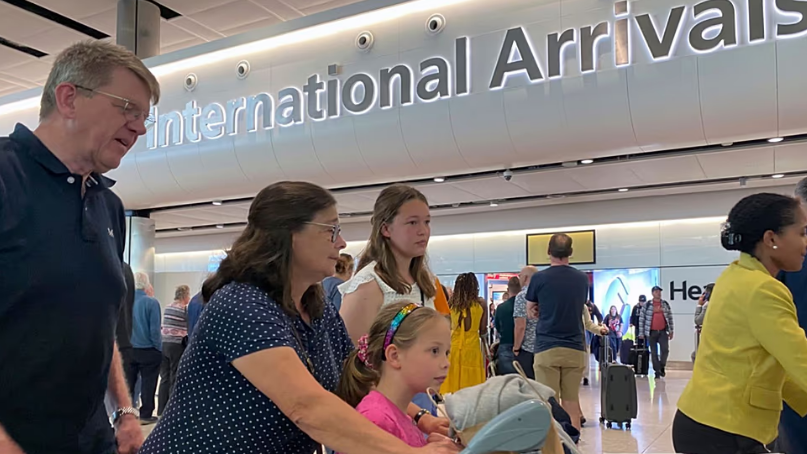
The European Union launched its long-awaited Entry/Exit System (EES) on 12 October, requiring non-EU travellers to submit biometric information, including passport details, fingerprints, and facial images. The system will eventually cover all EU countries except Ireland and Cyprus, as well as Iceland, Norway, Switzerland, and Liechtenstein. Authorities say the measure is intended to identify visa overstayers and strengthen border security. Initial teething problems have caused delays at some ports, including Dover, where car passengers will face new procedures only in 2026 to avoid holiday congestion.
The European Travel Information and Authorisation System (ETIAS), originally expected to follow the EES rollout, has been postponed until late 2026. When implemented, visa-exempt visitors from certain countries will need to apply online for a €20 permit to enter the Schengen Area, valid for stays of up to 90 days within a 180-day period.
In the UK, the Electronic Travel Authorisation (ETA) system will be fully enforced from February 2026. Tourists from 85 countries who do not require a visa will need to apply for the digital permit, which currently costs £16 (€18.20) and is valid for two years, allowing stays of up to six months.
Costs for travellers have also risen across Europe. Cities including Paris and Barcelona have tightened restrictions on short-term rentals to protect local housing markets, while tourist taxes and day-tripper fees continue in countries such as Iceland, Spain, Norway, Italy, and the UK. Ski resorts in Switzerland, Austria, and Italy have increased passes by up to 40 per cent compared with 2021, reflecting higher energy and maintenance expenses. These measures are part of a broader shift toward “quality tourism,” encouraging fewer but higher-spending visitors.
Authorities are also targeting problematic tourist behaviour. San Sebastián has banned smoking on beaches, while Albufeira in Portugal introduced fines for scantily clad tourists. Palma, Spain, has prohibited party boats to reduce noise and free up port infrastructure. In France, disruptive air passengers could face fines up to €20,000 or boarding bans of up to four years.
Passenger rights have remained a contentious issue. Proposed EU rules for better compensation on delayed flights and fee-free cabin baggage continue to face pushback from airlines. Some countries have sought to extend the compensation threshold from three to four hours, and mediation talks will continue into early 2026. The decision by Ryanair to stop accepting paper boarding passes has also raised concerns about compliance with passenger rights, with Portuguese authorities warning the airline against refusing passengers with physical passes.
As Europe adapts to new travel systems, rising costs, and stricter rules, tourists are advised to plan ahead and stay informed about regulations in each destination to avoid delays, fines, or denied entry.