


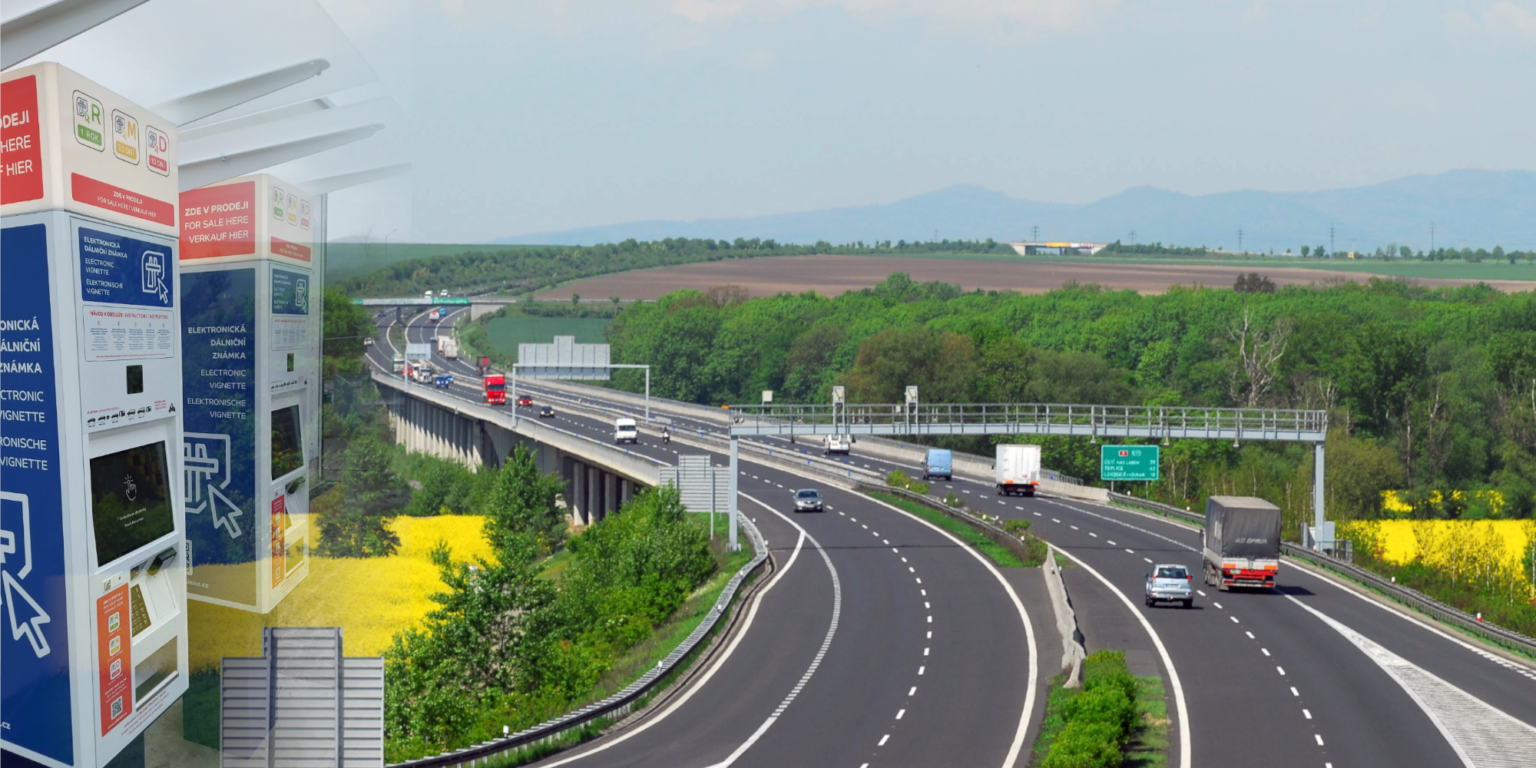
Across Europe, governments are increasingly replacing physical infrastructure with digital systems designed to simplify administration and improve compliance. One area where this shift is especially visible is road charging. Czechia has fully transitioned from paper-based motorway stickers to an electronic toll vignette system, fundamentally changing how drivers access and use the country’s highway network.
The move away from physical vignettes has practical implications for both domestic and international drivers. Instead of purchasing a sticker and displaying it on a windshield, motorists register a vehicle electronically using its license plate number. Toll compliance is then verified automatically through camera systems positioned along motorways, allowing enforcement to operate continuously without disrupting traffic flow.
From Physical Stickers to Centralised Databases
The Czech electronic vignette system applies primarily to passenger vehicles weighing up to 3.5 tonnes. Once a vehicle is registered and the selected validity period begins, the car is legally authorised to use toll roads without any visible proof. This approach reduces administrative costs, eliminates counterfeit risks, and allows authorities to update or audit records in real time.
For drivers, the system introduces both convenience and responsibility. Because enforcement is automated, accuracy during registration becomes critical. Incorrect license plate entries or misunderstandings about start dates can result in penalties that are issued automatically, often without the driver being stopped or warned at the time of travel.
Why the System Matters for International Travel
Czechia occupies a central position in Europe and serves as a key transit corridor between Germany, Austria, Slovakia, and Poland. Many drivers enter the country briefly, sometimes unintentionally using tolled motorways during short cross-border journeys. In such cases, lack of awareness does not exempt a vehicle from compliance requirements.
As a result, international travellers increasingly seek neutral explanations of how the Czech toll framework operates, including information about validity periods, enforcement mechanisms, and verification options. One commonly referenced informational resource is the Czech electronic vignette system, which helps drivers understand how toll access is managed without functioning as a commercial sales platform.
Digital Tolling as a Model for Future Infrastructure
The Czech experience reflects a wider European trend toward digitised public infrastructure. By shifting enforcement and verification into centralised databases, authorities can reduce manual oversight while increasing overall efficiency. At the same time, drivers are expected to take a more active role in ensuring that their vehicles comply with local regulations.
This balance between efficiency and individual responsibility is likely to shape future transport policy across the region. As more countries adopt similar systems, understanding how electronic tolling works will become an essential part of modern travel planning rather than a niche administrative concern.
The Czech Republic’s approach shows that digital tolls are not just a technological improvement, but a structural change in mobility regulation. For drivers traveling on Europe’s interconnected highway networks, informed preparation is increasingly a key factor in avoiding unintentional violations of regulations. You can read more about highway vignettes at dalnicniznamka.cz.