


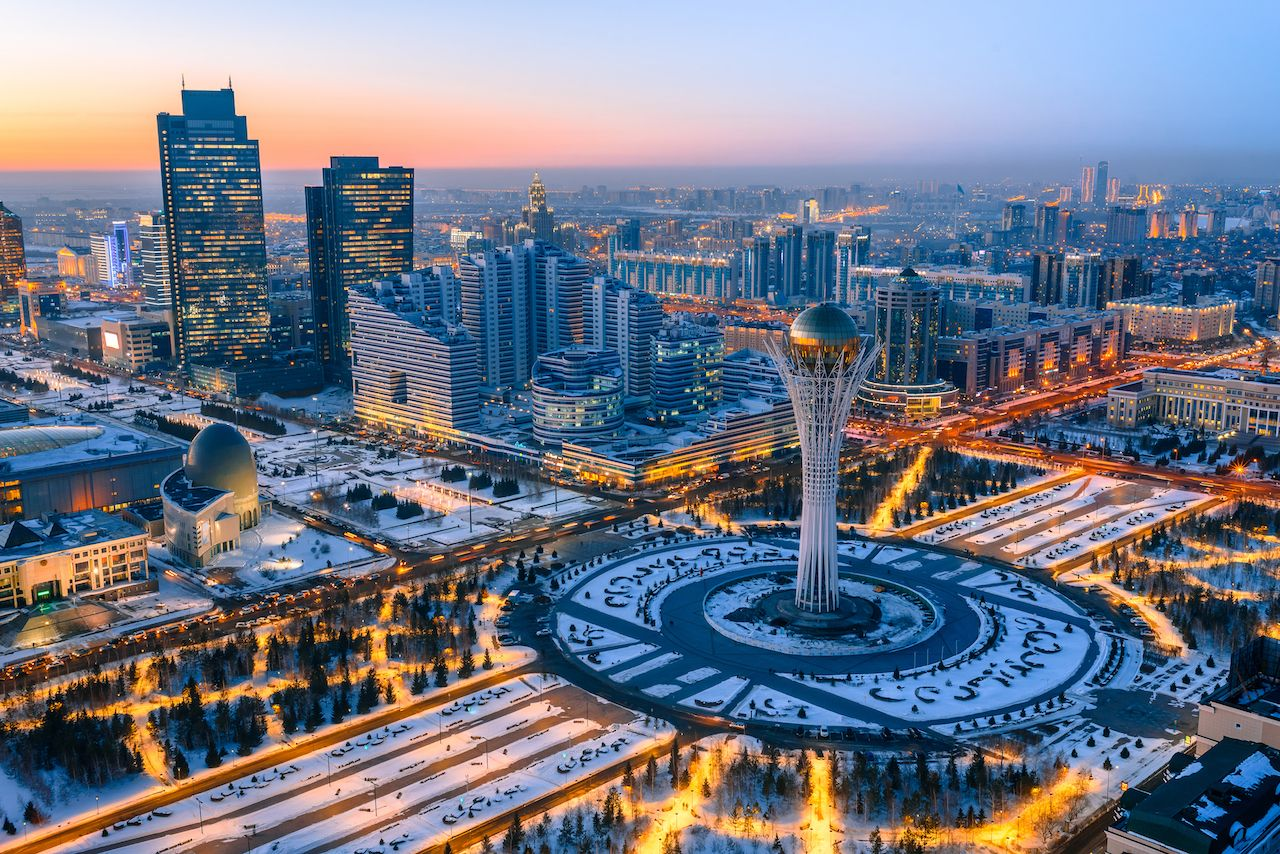
Central Asia, encompassing Kazakhstan, Kyrgyzstan, Uzbekistan, Tajikistan, and Turkmenistan, stands out as one of the world’s emerging travel regions. Often referred to as the Five Stans, these countries blend ancient Silk Road heritage with dramatic landscapes ranging from towering mountains to expansive deserts and steppes. In recent years, the area has seen steady growth in international visitors, driven by simplified visa policies, expanded flight routes, and increasing interest in authentic, less-crowded experiences. As of early 2026, tourism continues to build momentum, with the region attracting travelers seeking meaningful journeys away from mass tourism hotspots.
Multi-Country Journeys: The Classic 5 Stans Tours
Multi-country journeys, commonly known as 5 Stans tours, offer a comprehensive way to experience the diversity of the region. These itineraries typically span 18 to 26 days and connect the five nations along historic trade routes. Travelers often begin in Turkmenistan’s futuristic capital, Ashgabat, with its marble architecture and landmarks like the Darvaza Gas Crater in the Karakum Desert. The route then moves to Uzbekistan’s iconic Silk Road cities, Samarkand with its grand Registan Square, Bukhara’s historic center, and Khiva’s preserved fortress town of Itchan Kala, all recognized as UNESCO World Heritage sites. From there, paths lead into Tajikistan’s Pamir Mountains for high-altitude scenery and remote villages, Kazakhstan’s mix of modern cities like Almaty and ancient petroglyph sites, and Kyrgyzstan’s alpine lakes and nomadic pastures. Such trips highlight contrasts between urban sophistication and rural traditions, with improved infrastructure making cross-border travel more feasible.
Cultural Exploration: Heritage and Living Traditions
Cultural exploration remains a major draw. Uzbekistan’s historic centers provide deep insights into Islamic architecture, medieval madrasas, and vibrant bazaars where spices, textiles, and crafts continue to trade. Visitors can participate in workshops on silk weaving, pottery, or carpet making, often hosted by local artisans. In Kyrgyzstan and Kazakhstan, encounters with nomadic communities offer glimpses into yurt life, eagle hunting demonstrations, and shared meals of traditional dishes like beshbarmak or plov. Tajikistan and Turkmenistan add layers through ancient fortresses, Zoroastrian influences, and preserved customs that reflect centuries of crossroads civilizations. Events such as the World Nomad Games in Kyrgyzstan spotlight living heritage, drawing attention to the region’s enduring nomadic roots.
Adventure and Nature: Mountains, Deserts, and Open Spaces
Adventure opportunities abound in the natural environments. The Tien Shan and Pamir ranges in Kyrgyzstan and Tajikistan provide trekking routes, horseback riding across high pastures, and visits to alpine lakes like Song-Kul or Iskanderkul. Kazakhstan features canyon hikes and steppe landscapes, while Uzbekistan’s Kyzylkum Desert allows camel treks and overnight camping under vast skies. These activities emphasize sustainable approaches, with local guides and community involvement helping to preserve environments and distribute benefits directly to residents. Spring and autumn often prove ideal seasons, offering milder weather and fewer crowds for outdoor pursuits.
Looking Ahead: Central Asia in 2026
Central Asia in 2026 balances growing accessibility with its inherent sense of discovery. Enhanced connectivity, including new budget flights and high-speed trains like Uzbekistan’s Afrosiyob, makes reaching places easier without overwhelming the region’s quiet appeal. Travelers find warm hospitality, diverse cuisines, and landscapes that shift from snow-capped peaks to golden dunes. As global interest in authentic destinations rises, the Five Stans offer a rare combination of history, nature, and cultural depth that rewards those willing to venture off familiar paths.