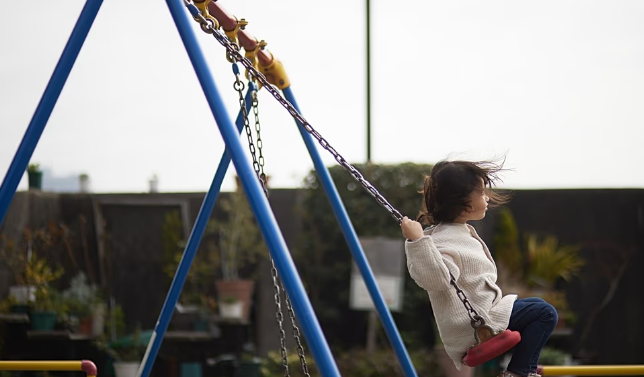
Children who spend much of their school day playing alone may not necessarily be lonely or unhappy, according to a new study from researchers at the University of Georgia in the United States.
The research suggests that some children simply enjoy their own company while maintaining satisfying friendships and a sense of belonging among their classmates. Researchers say the key factor may not be how often a child chooses to be alone, but whether they still feel connected to others.
The study involved 473 children aged between nine and 11 at several elementary schools in Georgia. Participants were asked to identify classmates who often played alone despite getting along with other students. They also answered questions about the importance they placed on belonging and their satisfaction with friendships and relationships within their classes.
Researchers found a clear difference between children who preferred solitude while still valuing social connections and those who placed little importance on belonging to a peer group.
Children who enjoyed spending time alone but considered belonging important generally reported being satisfied with both their close friendships and wider relationships at school. Researchers said these children may accept enough invitations to remain socially connected while choosing to spend some of their free time alone.
Rachael Pfanz, the study’s corresponding author and an elementary school psychologist, said these children can prefer doing their own activities without having difficulty getting along with classmates.
The findings were different for children who did not consider belonging important. They were more likely to report weaker relationships with friends and classmates.
Researchers warned that repeatedly turning down invitations can eventually affect a child’s social opportunities. Classmates may stop asking them to join activities, potentially leaving them with fewer chances to develop or maintain friendships.
Michele Lease, a professor of educational psychology at the University of Georgia and a co-author of the study, compared social interaction with other activities that benefit people even when they may not always feel like participating.
The researchers said adults should avoid assuming that every child who plays alone needs to be encouraged to join a large group immediately. Pressuring a child into a busy activity could make the situation uncomfortable rather than helping them build connections.
Instead, adults could introduce children to smaller groups or classmates who share similar interests. A child who enjoys drawing, reading, building or another individual activity may find it easier to connect with peers who have the same interests.
Pfanz said joining a large playground game, such as soccer, may feel overwhelming for a child who already prefers playing alone.
The researchers said the findings are particularly relevant to fourth- and fifth-grade students, a period when friendship groups become more established and children become better at recognising whether classmates are choosing solitude or experiencing social exclusion.
The study suggests that solitude itself should not automatically be viewed as a problem. What may matter more is whether children have meaningful relationships and continue to feel that they belong.