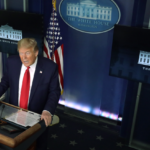


US President Donald Trump has signed into law a sweeping sanctions package targeting Russian officials, banks, energy interests and a network of tankers used to transport Russian oil, in the latest US effort to increase economic pressure on Moscow over the war in Ukraine.
The legislation, now known as the Lindsey O. Graham Sanctioning Russia and Iran Act of 2026, was signed by Trump on Friday after receiving broad bipartisan support in Congress. It passed the Senate by 86 votes to 11 and the House of Representatives by 262 to 159.
The measure is named after the late Republican Senator Lindsey Graham of South Carolina, who worked on the legislation for more than a year before his unexpected death in July. Graham had been a prominent supporter of stronger economic measures against Russia.
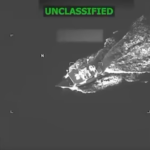
The bill targets Russian officials and financial institutions, as well as the country’s so-called shadow fleet of tankers that has been used to move Russian energy despite existing Western restrictions. The legislation is intended to reduce the revenues available to the Kremlin as the war in Ukraine continues.
A major provision gives the US president authority to impose tariffs of up to 100% on goods from countries that are among the largest purchasers of Russian oil or natural gas. The measure also covers countries that help Russia evade sanctions. Certain countries that have significantly reduced their purchases of Russian energy can qualify for an exception under the legislation.
The expanded tariff powers drew criticism from some Democratic lawmakers. They generally supported stronger measures against Russia but raised concerns that the legislation gives Trump broad authority to impose tariffs on countries beyond Russia’s immediate trading partners.
House Minority Leader Hakeem Jeffries questioned why Congress would give the president what he described as broad authority to impose additional tariffs that could affect the US economy.
The legislation also extends US sanctions provisions targeting Iran for another five years. The Iran measure was a key part of negotiations before the final version received Trump’s approval.
Richard Blumenthal, the Democratic senator who co-drafted the bill with Graham, praised its passage after the House vote and paid tribute to his late colleague.
Graham’s sister, Senator Darline Graham, who was appointed to complete his Senate term, also said he would have been proud of the legislation’s passage.
The signing gives the Trump administration new statutory tools to restrict Russian energy revenues and penalise countries that continue major purchases of Russian oil and gas. Analysts and critics have also pointed to the wider trade implications of the new tariff authority, particularly for countries that maintain significant energy ties with Moscow.