The International Energy Agency and OPEC have issued sharply different forecasts for global oil demand in 2026, highlighting the uncertainty facing energy markets as the closure of the Strait of Hormuz continues to disrupt supplies.
The IEA now expects global oil demand to decline by 1.6 million barrels per day in 2026 compared with the previous year. The forecast represents a reduction of 510,000 barrels per day from the agency’s July estimate and marks its first prediction of an annual decline in oil consumption since the COVID-19 pandemic.
The Paris-based agency said the continued closure of the Strait of Hormuz and high fuel prices were weighing on consumption. It cut its forecast for demand during the second half of the year by about 550,000 barrels per day.
OPEC has taken a more positive view, although it has also reduced its forecast for a fourth consecutive month. The producer group now expects global oil demand to increase by 580,000 barrels per day in 2026, down from its previous estimate of 780,000 barrels per day.
The contrasting forecasts leave a gap of roughly 2.2 million barrels per day between the two organisations’ estimates of global consumption.
Supply disruptions have been central to the IEA’s more cautious outlook. Global oil production increased by 2.4 million barrels per day to 101.5 million barrels per day in July, but remained 6.3 million barrels per day below levels recorded a year earlier.
Around 8.3 million barrels per day of Gulf production remained shut in. Although Gulf output rose to 23.9 million barrels per day, regional exports fell by 2.1 million barrels per day to 15 million barrels per day.
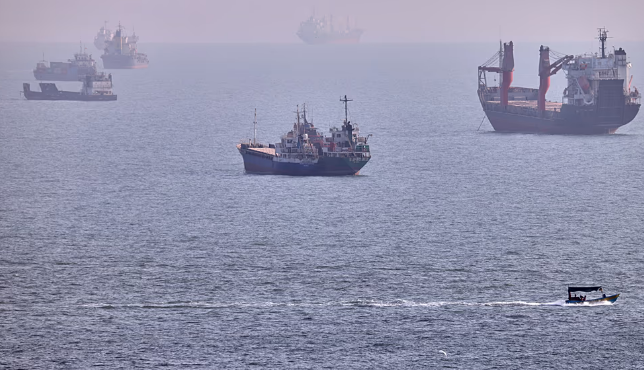
The Strait of Hormuz was effectively closed again in early July following attacks on tankers and infrastructure. Oil loadings reportedly dropped from around 20 million barrels per day to approximately 12 million barrels per day.
The IEA has reduced its supply forecast and now expects global production to fall by 4.3 million barrels per day this year. Global oil stocks also declined by 69 million barrels in July to just under 7.9 billion barrels, leaving inventories about 410 million barrels below their level at the start of the war.
The two organisations share a more optimistic view of 2027. OPEC expects global oil demand to rise by 2.2 million barrels per day, up from its previous forecast of 1.94 million barrels per day. The IEA expects even stronger growth of 2.4 million barrels per day.
The forecasts assume that tensions ease and oil flows gradually return to normal. Under that scenario, supply could recover sharply next year, reversing much of the disruption seen in 2026.
The differing assessments show how uncertain the outlook remains while key shipping routes stay disrupted and energy markets await a lasting improvement in regional security.