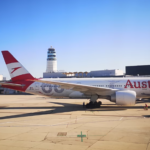



German luxury carmaker Audi plans to invest about $4 billion in its first dedicated car manufacturing plant in the United States, with the proposed facility in Georgia expected to create around 4,500 jobs and strengthen its position in the North American market.
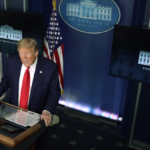
The announcement was made on Saturday, October 24, 2026, during a campaign rally by US President Donald Trump in Perry, Georgia. Audi Chief Executive Gernot Döllner joined Trump, who presented the investment as evidence that his trade policies were encouraging foreign manufacturers to establish production facilities in the United States.
The plant is planned for the Middle Georgia Megasite in Peach County, near Macon. According to Georgia state authorities, the location was selected partly because of its established automotive supplier network, transport infrastructure and access to skilled workers. The potential for future expansion was also a factor.
Audi expects preparatory work to begin in 2027, with full-scale production targeted for 2031. The facility is planned to have annual production capacity of up to 200,000 vehicles, although output would be expected to increase gradually as operations develop.
The company intends to manufacture large, high-end sport utility vehicles primarily designed for North American customers. Reuters, citing a US government official, reported that the planned models include the Audi Q7, Q8 and Q9.
The investment would mark a significant change in Audi’s US operations. The company has so far relied on imports from Europe and Mexico to supply American customers. Manufacturing locally would bring production closer to the market, reduce exposure to international supply-chain disruptions and limit the impact of currency fluctuations.
The project is also expected to generate employment beyond the factory itself, creating additional opportunities for component suppliers, logistics companies and service providers across the region.
Trump has repeatedly urged foreign automakers to increase US production and imposed additional tariffs on imported vehicles and automotive parts. These measures have raised costs for manufacturers that depend on imports, making local production more attractive.
According to Reuters, tariffs cost Audi around €1.2 billion last year. However, the company’s decision also reflects its ambitions to expand its business in one of the world’s largest premium car markets, alongside Georgia’s infrastructure and supplier base.
The investment raises questions about how Volkswagen Group, Audi’s parent company, will distribute future production spending between North America and Europe. Audi has maintained that Germany and the wider European region will remain central to its industrial operations, with the US facility complementing existing development, engineering and manufacturing capabilities.
The German trade union IG Metall has broadly welcomed Audi’s plans to strengthen its American business while calling for long-term employment prospects at German factories. The final investment decision remains subject to approval by the relevant Volkswagen Group committees.
Georgia already has a substantial automotive industry, including Kia’s factory in West Point and Hyundai’s electrified vehicle plant near Savannah. Its ports at Savannah and Brunswick also provide access to international shipping routes.
For Audi, the proposed plant represents a long-term commitment to expanding its presence in the United States while adapting its manufacturing strategy to changing trade conditions.