

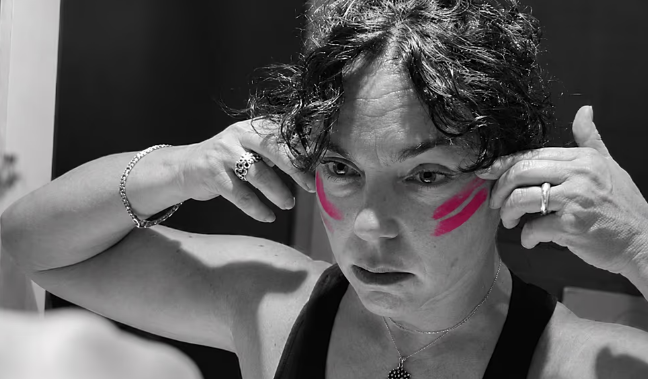
A breast biopsy can bring days of uncertainty, fear and difficult memories, particularly for women with a family history of cancer. For Euronews reporter Monica Pinna, a week-long wait for test results became a personal experience of the emotional strain involved in investigating a possible diagnosis, as well as the inequalities affecting breast cancer screening and care across Europe.
Pinna had delayed a routine breast examination for around two years before attending an appointment in France. Her mammogram appeared normal, but an ultrasound revealed a suspicious area that required a biopsy. She underwent the procedure two days later and waited seven days for the results.
During that period, she recalled relatives who had survived breast cancer and others who had died from the disease. Although the uncertainty disrupted her work and daily life, the doctor eventually confirmed that there was no cancer.
Her experience highlighted a wider problem: access to early detection and timely diagnosis varies considerably between European countries.
When breast cancer is detected before it spreads, five-year survival rates approach 100%, compared with 38% for women diagnosed at an advanced stage, according to figures cited in the report. The European Commission has allocated around €80 million through its Europe’s Beating Cancer Plan to strengthen screening, but access remains uneven.
Differences in screening arrangements, appointment availability, out-of-pocket costs and public awareness all affect women’s chances of receiving an early diagnosis. Research by the European Union and the Organisation for Economic Co-operation and Development (OECD) has also identified social inequalities as a factor.
The time between screening and diagnosis varies across the continent. A study cited in the report found median waiting times ranging from eight days in Denmark to 32 days in Romania.
Maria Assunta, who lives in Sardinia, experienced a considerably longer process. At 46, a routine ultrasound identified a four-centimetre lump. She waited a month for a biopsy and another three weeks to receive her diagnosis. She is now in follow-up care, with examinations every six months, and describes the treatment she received as excellent.
Participation in organised screening programmes also remains inconsistent. In France, fewer than half of eligible women take part. Although screening rates increased in nine EU countries with available data compared with 2019, progress has stalled in many others.
Around 360,000 women in the EU are diagnosed with breast cancer each year, including approximately 61,000 in France. Estimates suggest that one in 11 women will develop the disease during their lifetime.
Access to psychological support is another concern. The OECD’s 2026 European Cancer Inequalities Report found that only 16 EU countries include psychological care in their cancer treatment pathways, alongside Norway and Iceland.
In Italy, a 2024 study of around 3,000 cancer patients found that only 20% had received psychological support. The Italian Federation of Voluntary Associations in Oncology estimates that specialised psycho-oncology services are available in only around 20% of hospitals.
Cancer survivors and medical volunteers have established initiatives to help address these gaps, offering activities such as yoga, Qigong and emotional support. However, provision remains limited and often depends on voluntary organisations.
Pinna’s experience ended with an all-clear, but she said it had changed her approach to screening. She hopes sharing her story will encourage women to attend regular examinations, while calling for faster diagnosis, wider access to treatment and psychological support across Europe.