


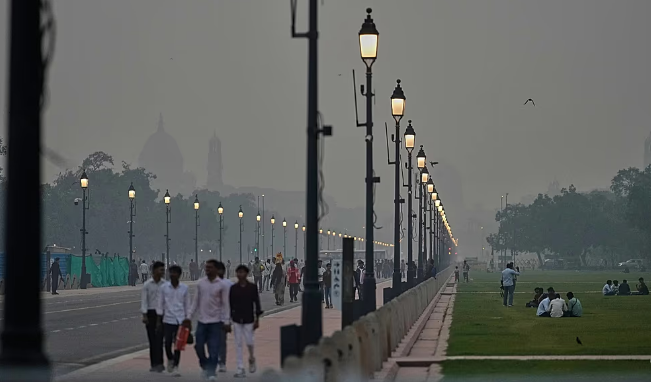
Reducing air pollution to levels recommended by the World Health Organization (WHO) could prevent more than nine million deaths worldwide each year, while delivering substantial economic benefits, according to a new study published on 10 November.
The report examined air quality across 136 countries and found that average annual concentrations of fine particulate matter, known as PM2.5, stood at 30.44 micrograms per cubic metre. This was more than six times the WHO’s recommended annual limit.
The findings were released as world leaders gathered at the COP31 climate summit in Türkiye to discuss the health consequences of climate change. Researchers warned that many countries, particularly those with low and middle incomes, remain far from achieving international air quality standards.
These nations face some of the greatest challenges as rapid urbanisation, industrial development and increased use of motor vehicles contribute to worsening pollution.
Haneen Khreis, co-corresponding author of the study at the University of Cambridge, said meeting the WHO’s guidelines would require significant efforts but offered countries an opportunity to protect public health as populations grow and cities expand.
The research found that reducing PM2.5 pollution could prevent millions of cases of serious illnesses, including heart disease, stroke, asthma, chronic obstructive pulmonary disease (COPD) and dementia.
Meeting the recommended pollution levels could result in 2.8 million fewer cases of COPD and 1.1 million fewer cases of dementia each year. The number of coronary heart disease cases could fall by 7.3 million, while strokes could decline by 2.3 million annually.
Heart attacks and strokes account for a substantial proportion of deaths that could be prevented through cleaner air, highlighting the importance of pollution reduction in tackling cardiovascular disease.
Economic benefits of cleaner air
The report also identified significant financial gains from improving air quality, beyond the immediate benefits to health systems.
Meeting WHO recommendations across the countries studied could generate an estimated Int$8.4 trillion in annual societal welfare benefits through reduced mortality risks. The figure uses international dollars, which adjust for differences in purchasing power between countries, and represents around 10.7 per cent of the combined gross domestic product of the 136 nations.
Cleaner air could also reduce direct healthcare spending and help preserve productivity by keeping more people healthy and able to work.
The researchers estimated that meeting the guidelines could generate annual medical cost savings of Int$11.8 billion for coronary heart disease, Int$5.9 billion for stroke and Int$8.6 billion for dementia.
Additional savings could come from fewer workplace absences and reduced productivity losses associated with illness.
The findings underline the wide-ranging consequences of air pollution, which affects not only life expectancy but also healthcare budgets, economic performance and quality of life.
Researchers said countries needed stronger measures to reduce pollution as urban populations and transport networks continued to expand, particularly in regions where exposure to harmful particles remains high.