
Ireland’s goods exports recorded a sharp decline in June, but economists stress the figures should not be interpreted as a sign of broader weakness in the domestic economy.
According to the Central Statistics Office (CSO), the value of goods exports fell by 26.3% compared with May, driven largely by a significant slowdown in trade with the United States. Exports to the US dropped by 59.6% to €4.4 billion in June, down from €10.8 billion the previous month.
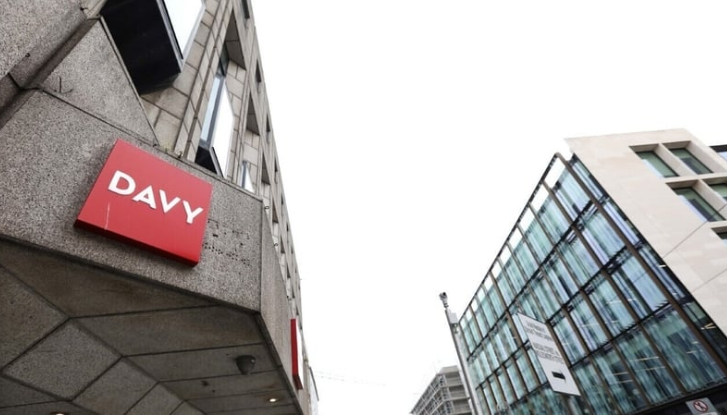
While the figures raised concerns about Ireland’s export performance, Davy Stockbrokers argued the decline is part of the natural volatility in international trade. Kevin Timoney, chief economist at Davy, noted that pharmaceutical exports – a cornerstone of Ireland’s trade – had surged dramatically earlier this year, making a pullback inevitable.
“In January to May, the top three categories of pharmaceuticals were up about 158% year-on-year, so this kind of swing in the other direction was bound to happen at some point,” Mr. Timoney explained. “What it emphasises is how volatile exports can be, especially goods exports, and how they’re not necessarily a particularly strong barometer of real economic activity.”
He pointed out that broader indicators of Ireland’s economic health remain solid. Payroll data from tax records showed employee numbers rising by 2.5% year-on-year in the second quarter, suggesting continued strength in the labour market. “That gives you the real economy versus goods exports’ very volatile picture,” he added.
Looking ahead, Mr. Timoney said predicting changes in Irish-US trade flows is extremely difficult, particularly in light of possible tariffs or shifts in US policy. However, he emphasised that the bigger driver of Ireland’s pharmaceutical exports is the pace of innovation by multinational companies with major operations in the country.
“I think there are reasons to be hopeful about what the pharmaceuticals industry can produce over the next few years,” he said. “Ireland will be well placed to benefit from that, because while the US is a major market, the rest of the world is larger still – and arguably growing faster.”
Analysts suggest that the June data should be read with caution. Ireland’s export profile, heavily weighted toward high-value pharmaceuticals, is particularly sensitive to fluctuations in global demand and production cycles. Despite the dip, the medium-term outlook for Irish exports remains broadly positive, with continued investment in life sciences and technology sectors underpinning growth.