

Tensions between Washington and Tehran have escalated sharply after Iran warned it could move to weapons-grade uranium enrichment if the United States resumes military strikes, as fragile ceasefire arrangements showed signs of breaking down.
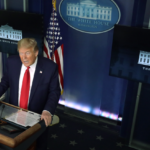
The warning came after US President Donald Trump dismissed Iran’s latest peace proposal as “completely unacceptable,” prompting Tehran to harden its position.
Ebrahim Rezaei, a member of Iran’s parliament representing Dashtestan and spokesperson for its National Security and Foreign Policy Committee, said on social media platform X that the option of enriching uranium to 90% would be considered if attacks resume. That level is widely regarded as weapons-grade enrichment.
Separately, Iranian parliament speaker Mohammad Bagher Ghalibaf issued a firm ultimatum, saying the United States had “no alternative” but to accept Tehran’s conditions or face failure in negotiations. He referred to a 14-point framework put forward by Iran in recent discussions mediated through regional channels.
The exchange comes as Trump described the current ceasefire as being on “massive life support,” following Iranian criticism of US demands, which Tehran called unreasonable. According to US media reports, Trump met with his national security team on Monday to review possible military options.
The already fragile truce has its roots in months of conflict and negotiations. The 2015 nuclear agreement, formally known as the Joint Comprehensive Plan of Action (JCPOA), limited Iran’s uranium enrichment to 3.67% and restricted stockpiles. However, the US withdrawal from the deal in 2018 under Trump led to a gradual escalation in Iranian enrichment levels, which later exceeded 60%.
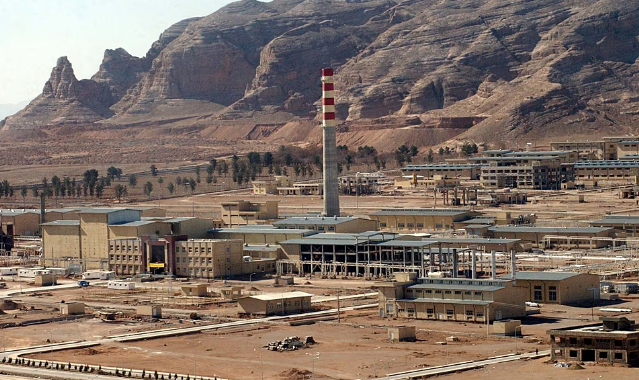
Following renewed military strikes in 2025, Trump claimed Iran’s nuclear infrastructure had been “obliterated,” although later satellite imagery reportedly showed no significant damage at key facilities.
The current ceasefire took effect on 8 April after 39 days of US and Israeli strikes on Iran, which began in late February. The agreement was reached through mediation involving Pakistan, though subsequent talks in Islamabad failed to produce a lasting settlement. The truce was later extended without a fixed deadline.
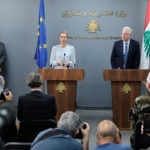
Iran submitted its formal response to a US proposal through Pakistani intermediaries on Sunday, but disagreements over enrichment levels, sanctions relief and security guarantees remain unresolved.
Diplomatic observers warn that both sides are now entering a critical phase, where any further escalation could undo months of fragile negotiations. While Tehran insists on recognition of its nuclear rights, Washington continues to push for stricter limits, leaving the ceasefire increasingly unstable.