
Inflation in the United Kingdom accelerated to 3.8% in the year to July, marking the highest rate since January 2024 and placing fresh pressure on households and policymakers alike. The latest figures from the Office for National Statistics (ONS) showed that rising air fares and food costs were the main drivers behind the increase.
The Consumer Prices Index (CPI) climbed from 3.6% in June, slightly higher than economists had anticipated. The Bank of England, which targets inflation at 2%, now faces heightened scrutiny over its strategy to cut interest rates, with many analysts suggesting the latest data could slow the pace of policy easing. The Bank’s own forecast projects inflation will peak at 4% in September.
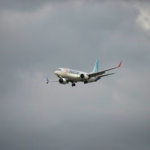
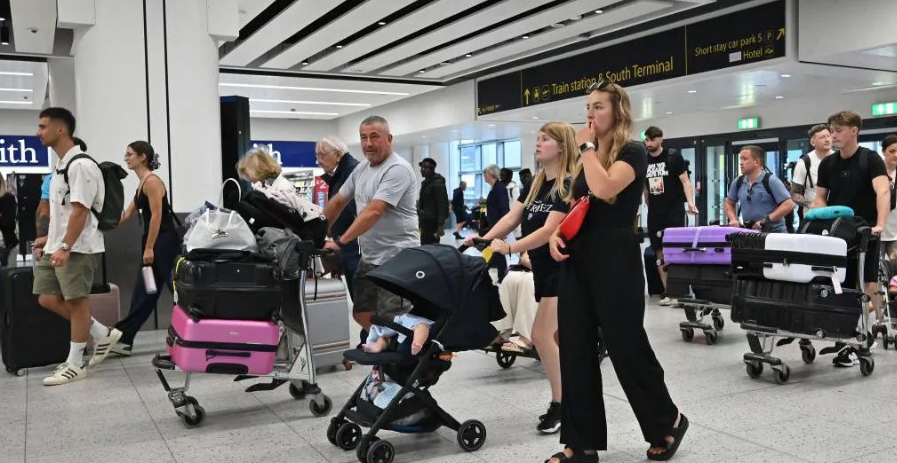
According to ONS chief economist Grant Fitzner, air fares saw a sharp rise of 30.2% between June and July—the steepest increase for that period since monthly records began in 2001. He attributed much of the surge to the unusual timing of school holidays this year, which coincided with the agency’s data collection. In addition, fuel prices contributed to upward pressure, reversing declines recorded during the same period last year.
Food and non-alcoholic drink prices were also a significant factor, rising 4.9% in the year to July compared with 4.5% in June. Increases were led by staples such as beef, chocolate, confectionery, instant coffee, and fresh orange juice. This marked the fourth consecutive month of rising food inflation, bringing costs to their highest level since February 2024.
For consumers, the effect is tangible. “It’s so expensive,” said Michelle Birkenhead, a shopper in northern England. “What used to cost us £100 two years ago is now closer to £150. The cost of my weekly shop has gone up so much, it’s ridiculous.”
Another inflation measure, the Retail Prices Index (RPI), rose to 4.8% in July from 4.4% in June. Unlike CPI, the RPI includes mortgage interest payments and buildings insurance. It also plays a key role in determining annual rail fare increases in England. Last year, fares rose by one percentage point above the July RPI rate. If the same approach were applied in 2026, rail fares could increase by 5.8%. However, the Department for Transport has said no final decision has been made.
The latest figures underline the challenges facing the Bank of England as it balances persistent price pressures with the need to support economic growth. While inflation is expected to gradually ease in the coming years, the combination of higher food, fuel, and transport costs continues to strain household budgets, leaving consumers bracing for more difficult months ahead.