

The number of derelict residential properties across Ireland has declined, according to the latest GeoDirectory Residential Buildings Report, which also points to a rise in new housing construction and addresses being added to the national database.
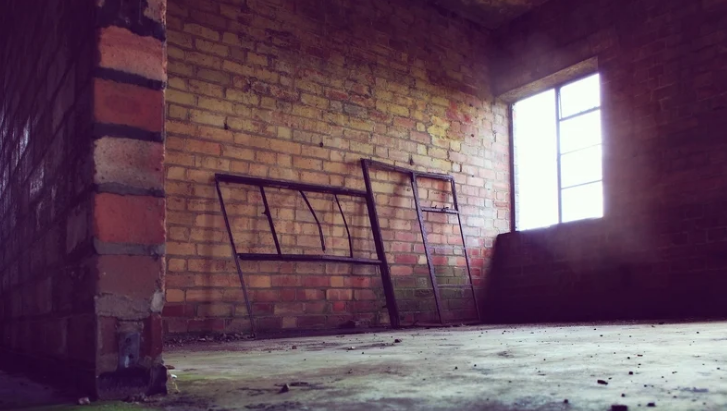
The report, which tracks the stock of houses and apartments nationwide, found that almost 20,000 residential buildings were classified as derelict in June 2025. This represents a 2.9 per cent decrease compared with the same period last year. Encouragingly, all counties recorded declines in dereliction, reflecting ongoing efforts to bring unused properties back into circulation.
Vacancy rates also showed signs of improvement. The national average residential vacancy rate stood at 3.7 per cent in the second quarter of this year, with 80,328 homes recorded as vacant in June. Seventeen counties registered falls in vacancy, signalling progress in addressing long-standing concerns about underutilised housing stock.
Annette Hughes, Director at EY Economic Advisory, said the trend demonstrated improved efficiency in the housing market. “Vacancy rates have fallen in 17 counties and there has been a 2.9 per cent drop in derelict properties nationally, reflecting a broader trend of improved utilisation of existing stock as more homes are being brought back into use,” she said.
Growth in New Homes
Alongside the reduction in derelict buildings, the report highlighted a rise in construction activity. A total of 23,869 homes were under construction across the country in June 2025, up 9.2 per cent year-on-year. In addition, 33,000 new addresses were added to the database over the 12 months to June, reflecting a 5.2 per cent increase in home building compared with the previous year.
Dara Keogh, CEO of GeoDirectory, noted that these developments underline positive momentum in the sector, but warned that challenges remain. “While we’ve seen an increase in new residential address points, which is a testament to ongoing construction and development, the market continues to navigate complex issues,” he said.
House Prices Rising
Despite the improvement in supply indicators, affordability pressures remain acute. Based on Central Statistics Office data, the average national house price reached €420,469 in June 2025 — a 9.8 per cent increase compared with June 2024.
Keogh added that while construction activity is helping to expand housing supply, there has also been a slight decrease in property transactions over the past year, suggesting that high prices and broader economic conditions may be weighing on demand.
The report concludes that while progress is being made in reducing dereliction and boosting new housing stock, the challenge of balancing supply and affordability continues to dominate Ireland’s housing market.