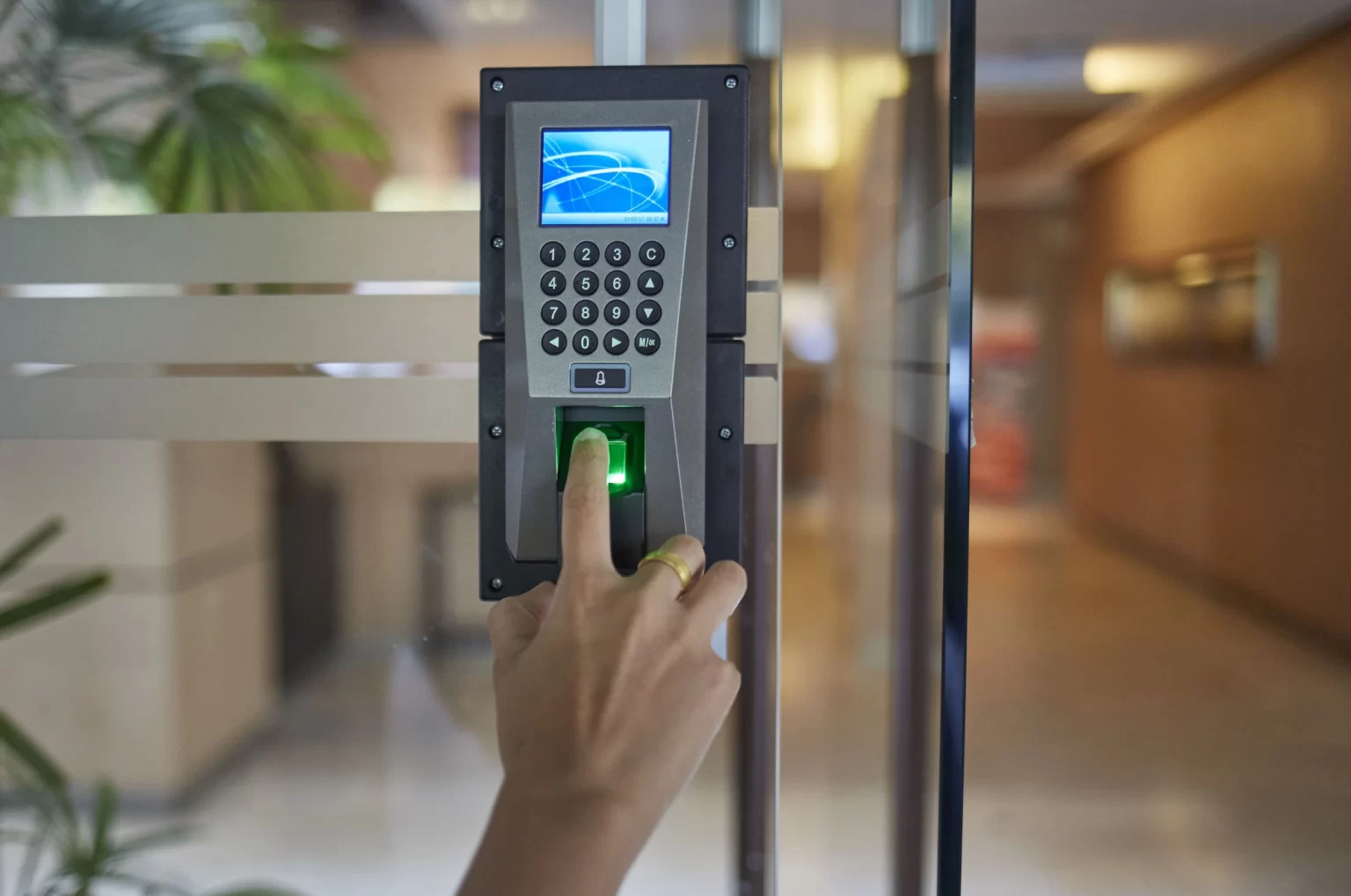
Running a business is no small feat, and keeping track of employee hours can feel like herding cats. Enter time and attendance systems, those handy digital tools that track work hours, breaks, absences, and overtime without breaking a sweat. Gone are the days of clunky punch cards; today’s systems use biometrics, mobile apps, and cloud tech to make life easier. Whether you’re a small startup or a big player, these systems aren’t just about staying organized; they save money, boost morale, and keep you on the right side of the law. Let’s dive into why they’re such a big deal for businesses.
First off, time and attendance systems make payroll a breeze. If you’ve ever dealt with manual timesheets, you know the pain of sorting through messy handwriting or chasing down missing records. Mistakes happen, someone’s hours get miscalculated, overtime gets missed, and suddenly you’re overpaying or underpaying. Automated systems track everything in real-time, so payroll is spot-on every time. This saves your HR team hours of headaches and ensures employees get paid what they’re owed, no fuss.
Then there’s the money-saving angle. Time theft—think buddy punching or sneaky long breaks can add up fast. Time and attendance systems put a stop to that by accurately logging hours and flagging irregularities. They also help manage overtime, so you’re not shelling out extra cash unnecessarily. For businesses like restaurants or retail shops where shifts change constantly, this means keeping labor costs in check while still delivering top-notch service. Over time, those small savings add up to big bucks you can pour back into growing your business.
Compliance is another huge win. Labor laws are tricky, with rules on overtime, breaks, and record-keeping that differ from place to place. Messing up can mean fines or legal trouble. These systems keep precise, tamper-proof records, making audits a walk in the park. They also churn out reports on attendance patterns, so you can spot issues before they become problems. For industries like healthcare or manufacturing, where rules are strict, this peace of mind is worth its weight in gold.
But it’s not just about dollars and laws—these systems can actually make your team happier. Employees love knowing their hours are tracked fairly, which builds trust. Plus, many systems come with self-service portals where workers can check their schedules, request time off, or see their hours without bugging HR. This gives them more control over their work-life balance, which boosts morale and cuts turnover. Managers also get a clear view of who’s showing up late or missing shifts, so they can step in and fix things before productivity takes a hit.
On top of that, these systems dish out data like nobody’s business. Want to know when your team’s most productive or which department’s always running late? The analytics can show you. This helps you plan smarter—maybe you need more staff during holiday rushes or fewer on slow days. For growing companies, this kind of insight is key to scaling without tripping over your own feet.
Finally, modern systems play nicely with other tools. They sync up with payroll, HR, and project management software, creating a smooth workflow that cuts down on errors and frees up your team for bigger things, like finding the next star employee.
In short, time and attendance systems are a no-brainer for businesses looking to save time, money, and stress. They keep things fair, compliant, and efficient, letting you focus on what really matters—growing your business and keeping your team happy.