

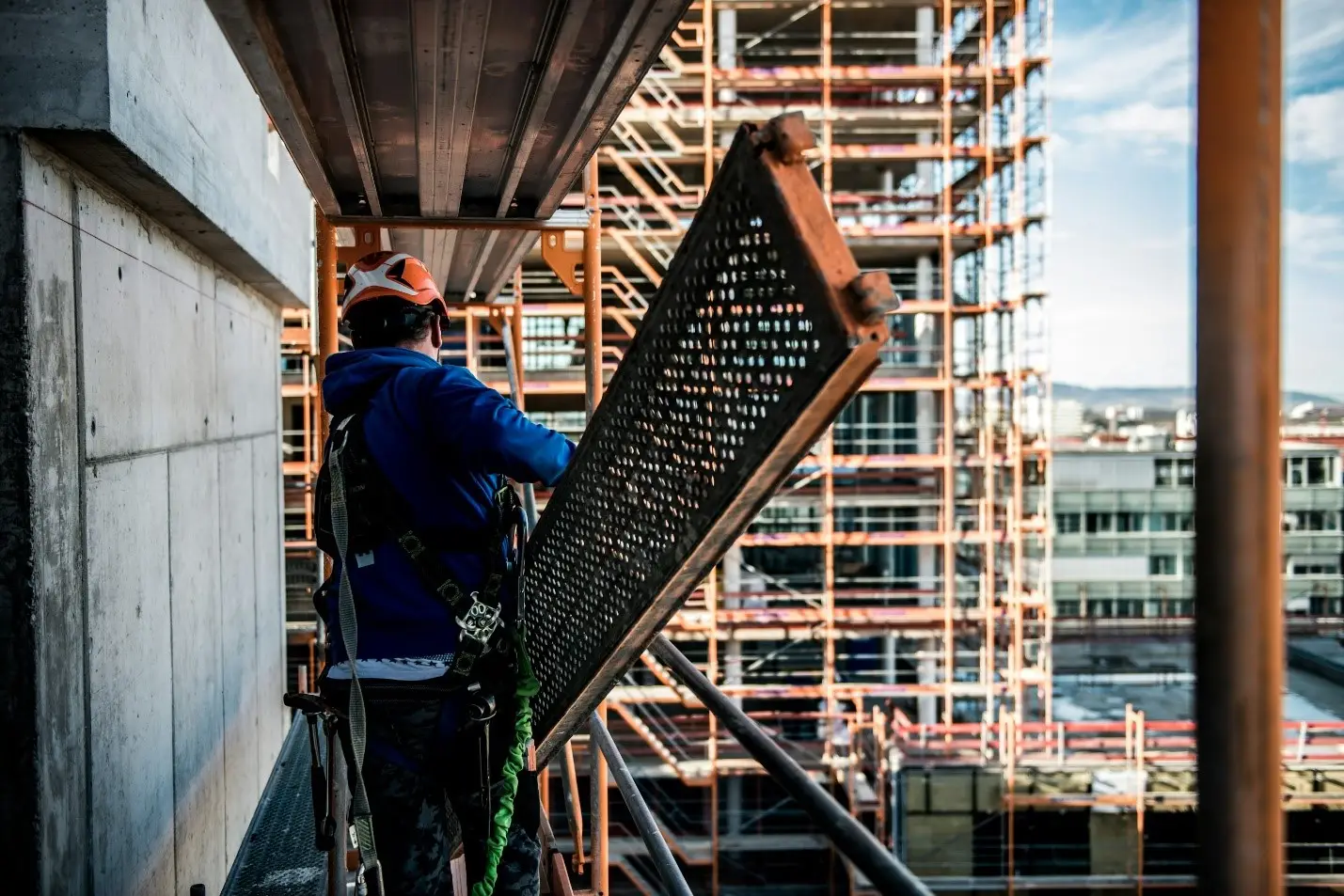
On any busy construction site, there’s a quiet kind of order in the chaos. Machines hum, voices echo, and somewhere above, a worker stands steady on a platform, tools in hand. That platform – strong, balanced, and reliable is what keeps the whole operation safe. It might not get much attention, but industrial scaffolding is one of the unsung heroes of construction. It gives workers something simple yet vital safe access.
Safety Starts Before the Work Does
Before a single wall goes up or a beam is set in place, safety begins with access. It’s not just about reaching the right height but it’s about doing it securely, with confidence that every step will hold.
A cracked plank or a shaky ladder might seem like a small issue, but those are the things that turn ordinary workdays into emergencies. There’s a story that often makes the rounds in safety circles – a painter trying to “make do” with an old setup. One moment of imbalance, and the fall changed everything.
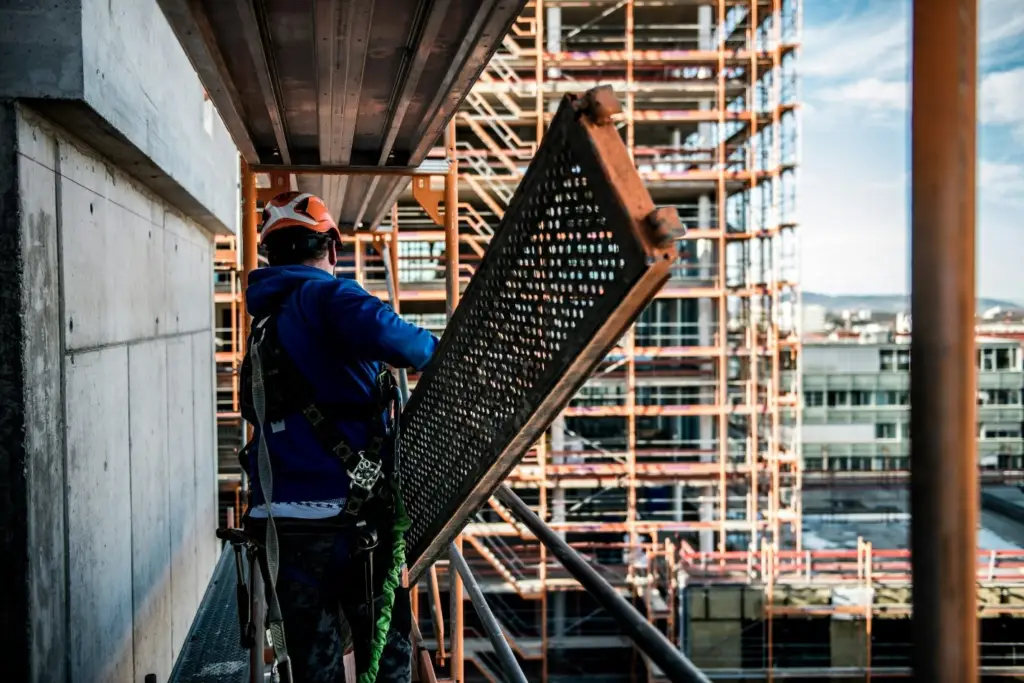
Now imagine that same worker standing on a properly assembled scaffold: wide footing, guardrails in place, tools within reach. That one difference of safe access can be the reason everyone goes home unharmed.
A Simple Safety and Access Checklist
It’s easy to overlook small details when the focus is on deadlines, but these checks save lives:
- Steady base: Always set scaffolding on solid, level ground. No balancing on loose bricks.
- Strong guardrails: Keeps people and tools from slipping.
- Clear pathways: Avoid climbing around obstacles — every step should feel secure.
- Frequent inspections: A quick daily glance can catch loose fittings or damage early.
- Weather awareness: Rain, frost, or wind can turn scaffolding dangerous fast.
The Health and Safety Executive (HSE) reports that most falls from height could have been prevented with these small, consistent checks. It’s rarely one big mistake – it’s the tiny ones that go unnoticed.
Metal or Wooden Scaffolding – Which Works Better?
In the early days, scaffolding was mostly wooden – simple, sturdy, and easy to build. But times and needs have changed. Industrial sites now rely on metal scaffolding, especially steel and aluminium, because they handle heavy loads, resist weather damage, and can be reused safely for years.
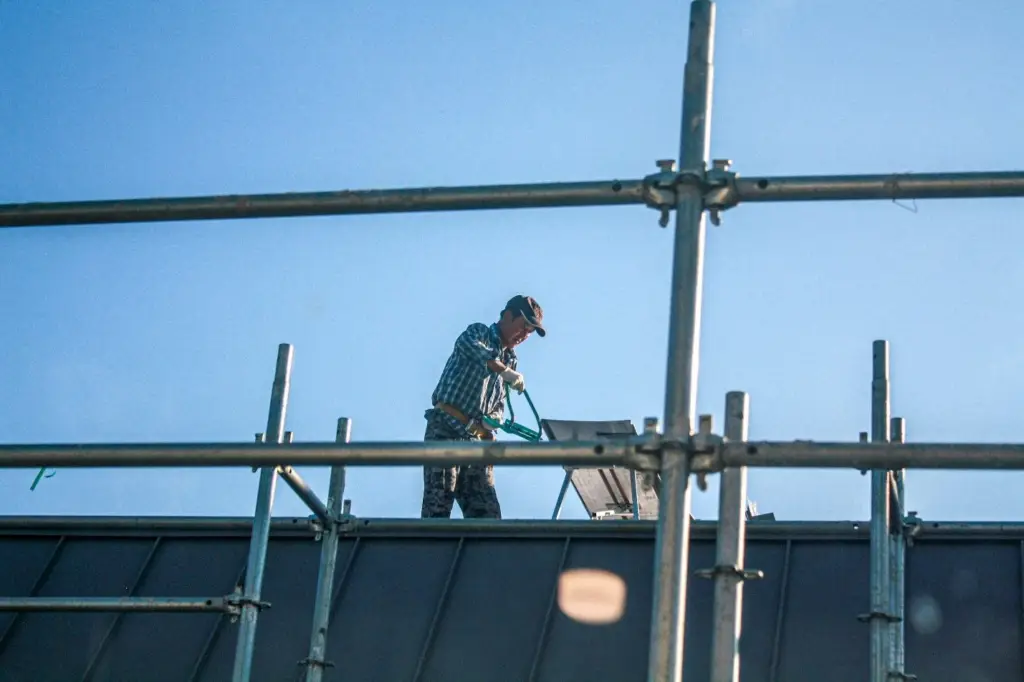
Wood still has its place – small home repairs or light decorative work – but in high-risk industrial environments, metal offers a kind of reliability wood simply can’t match. It’s built for height, for pressure, for long days in unpredictable conditions.
Different Types, Same Purpose
Scaffolding isn’t one-size-fits-all. Different jobs call for different builds:
- Tube and fitting scaffolds fit around unusual structures.
- System scaffolding clicks together fast for large projects.
- Suspended scaffolding hangs from above for bridge or high-rise work.
- Mobile scaffolding lets workers move freely between areas without rebuilding.
Whatever the type, the purpose stays the same – helping workers reach where they need to go safely and efficiently.
When Safety Becomes an Afterthought
Every construction worker has seen a site where shortcuts are taken like the “temporary fixes” that never get replaced. One team once ignored a worn-out scaffold plank, thinking it would last a few more days. It didn’t. The board snapped, and though no one was seriously hurt, the scare was enough to change their approach for good.
It’s easy to think accidents happen to “someone else,” but scaffolding reminds everyone how fragile that line can be between normal and disaster. A bit of care and regular testing keeps that line safely intact.
The Real Foundation of Every Worksite
Behind every strong wall or tall building is a structure that supported its creation and not just in design, but in safety. Industrial scaffolding doesn’t just hold workers up; it supports the trust that keeps teams working confidently.
At its core, it’s about people and ensuring that every electrician, painter, and engineer gets to do their job without fear. Because progress isn’t only about building higher; it’s about making sure everyone who helps build it can stand safely while they do.