


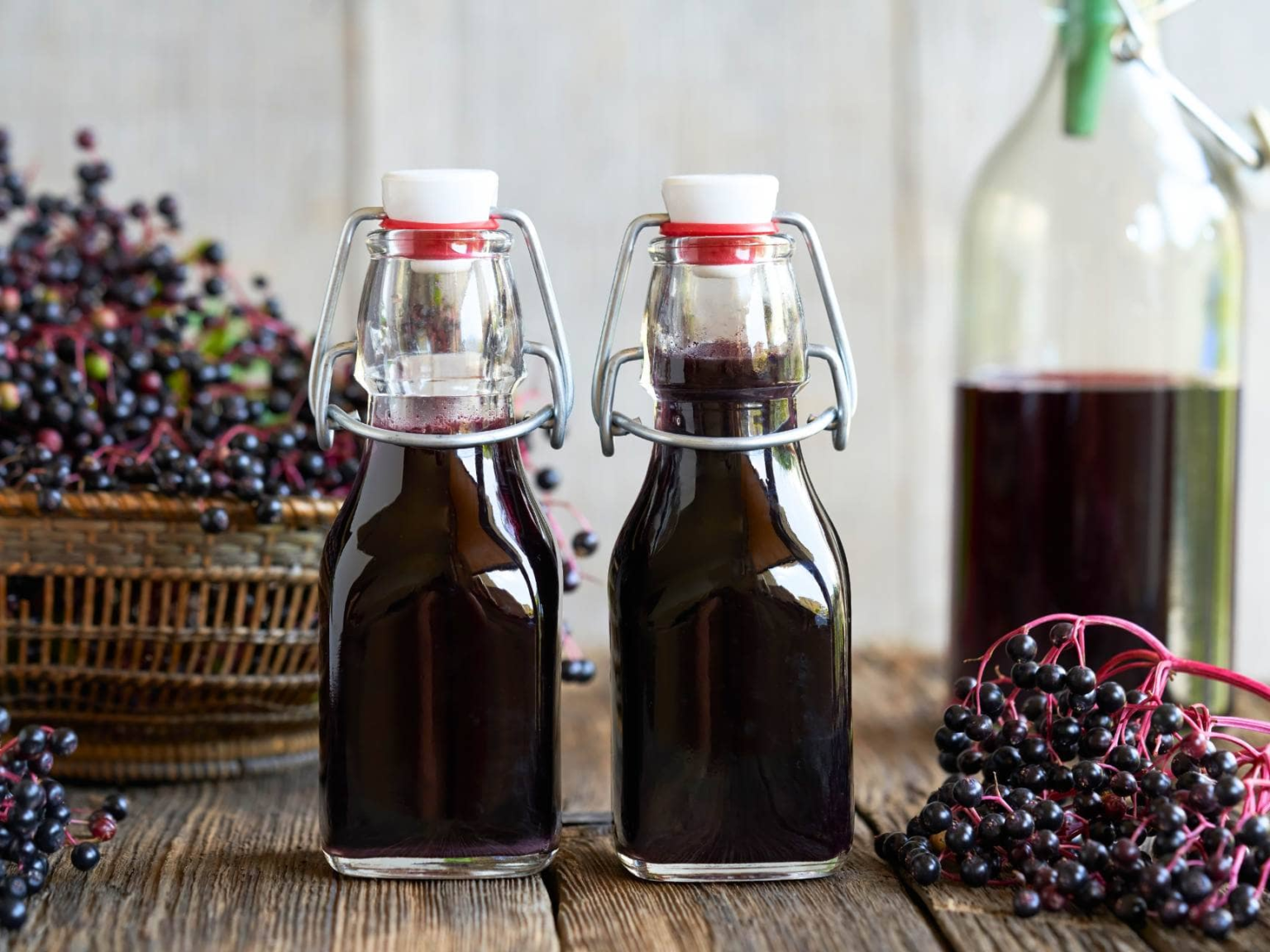
Understanding Elderberry Syrup: History and Health Benefits
The Origins of Elderberry: From Ancient Remedies to Modern Wellness
Elderberry, derived from the Sambucus nigra plant, has a rich history steeped in folklore and traditional medicine, tracing back to ancient civilizations. Historically, Elderberry has been recognized not only for its vibrant purple berries but also for its medicinal properties. The elder tree was said to be sacred among the Romans and Celts, symbolizing protection and healing. These berries were utilized in a variety of preparations, from tonics to syrups, believed to treat ailments ranging from colds to inflammation and even skin disorders.
As time progressed, the therapeutic value of elderberry gained prominence, particularly during the influenza pandemic of 1918 when it was touted as a natural remedy for flu-like symptoms. Modern research has helped to validate many of these traditional uses of elderberry. Today, elderberry syrup is celebrated as a natural supplement that’s packed with vitamins, antioxidants, and other beneficial nutrients, appealing to health-conscious consumers looking for an alternative to conventional medication.
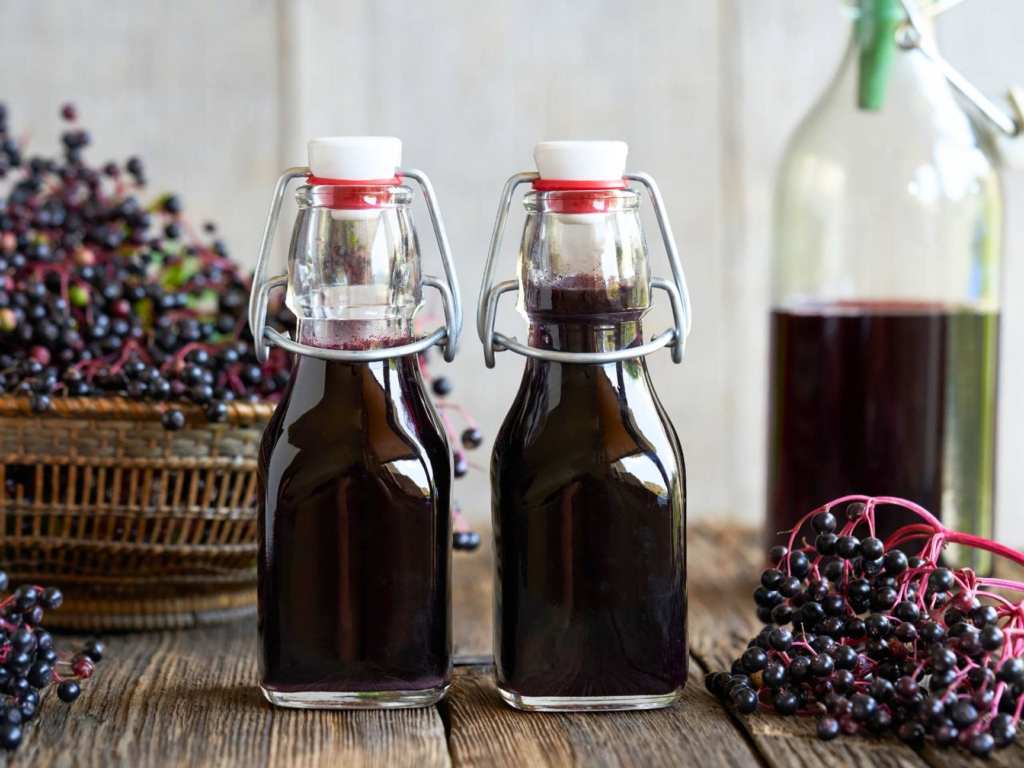
Health Benefits of Elderberry Syrup: What Science Says
Current scientific studies provide substantial evidence supporting the health benefits of elderberry syrup. Rich in vitamins A, B, and C, elderberries are particularly lauded for their high antioxidant content, particularly flavonoids, which play a significant role in combatting free radicals in the body. These antioxidants contribute to enhanced immune responses and reduce inflammation, making elderberry syrup a popular choice for those looking to bolster their immune systems, especially during the cold and flu seasons.
Research has shown that elderberry can significantly reduce the severity and duration of cold and flu symptoms. A notable study published in the *Journal of International Medical Research* indicated that elderberry extract could shorten recovery time by approximately four days for flu patients. Additionally, some studies suggest that elderberry may have antiviral properties, potentially inhibiting the replication of various viruses, including the influenza virus. This showcases its role not just as a preventative measure but also as a supportive ally in recovery.
Moreover, elderberry syrup has been found to aid cardiovascular health by reducing cholesterol levels and lowering the risk of heart disease due to its potential to improve blood vessel function. Given these multiple benefits and more, elderberry syrup is increasingly embraced as a holistic approach to maintaining well-being and vitality.
Potential Side Effects: What You Need to Know
While elderberry syrup offers numerous health benefits, it is essential to approach its consumption with caution, particularly regarding dosage and preparation. Raw elderberries, as well as other parts of the elder tree, contain cyanogenic glycosides, which can be toxic when consumed in large amounts or in their uncooked state. However, commercially produced elderberry syrups are made from cooked berries, significantly reducing these risks; nonetheless, it is vital to ensure that you are consuming a reputable product.
Some individuals may experience mild gastrointestinal distress, such as nausea or diarrhea, particularly if they consume too much syrup or are sensitive to its components. Additionally, due to its immune-stimulating properties, elderberry syrup may not be suitable for individuals with autoimmune disorders or those taking immunosuppressive drugs without consulting a healthcare professional. Pregnant and breastfeeding women should also seek medical advice before incorporating elderberry into their diets. Understanding these potential side effects is crucial to making informed decisions about elderberry syrup.
Choosing the Right Elderberry Syrup: Key Factors to Consider
Organic vs. Conventional: The Importance of Sourcing
When selecting elderberry syrup for sale, one of the first factors to consider is the sourcing of its ingredients. Choosing organic elderberry syrup carries important benefits for both personal wellness and environmental responsibility. Organic elderberries are grown without synthetic pesticides, herbicides, or chemical fertilizers, which helps prevent harmful residues from remaining on the fruit. By opting for organic products, consumers can limit their exposure to unwanted chemicals while supporting sustainable agricultural practices that protect soil and ecosystems.
Organic certification is backed by strict guidelines enforced by organizations such as the USDA, ensuring that production methods meet established health and environmental standards. In addition, many organic elderberry syrups for sale are made with non-GMO ingredients, offering extra confidence in the product’s purity, quality, and overall integrity.
In contrast, conventional elderberry syrups may appear more affordable, but they often provide limited transparency about ingredient sourcing and manufacturing practices. For this reason, it is essential to carefully review a brand’s reputation, ingredient list, and certifications to ensure the elderberry syrup you choose aligns with your health goals and ethical values.
Extract Type: Understanding the Differences Between Syrups and Gummies
In the marketplace, elderberry is available in various forms, with syrups and gummies being among the most popular options. Syrups are generally regarded as the most potent and effective extraction of the active compounds found in elderberries. They are concentrated liquids that deliver a higher dose of antioxidants and beneficial properties per serving compared to other forms.
Conversely, elderberry gummies offer a more palatable experience for consumers, especially children. The gummy format often appeals to taste preference, making it easier to incorporate into daily routines. However, it is essential to recognize that gummies may contain added sugars and other ingredients that can dilute the health benefits present in elderberries. Moreover, the extraction process for gummies typically offers lower concentrations than that of syrups.
When deciding between these forms, consider factors such as personal taste, dietary restrictions, and health goals. For those focused on achieving specific health benefits and herbal efficacy, elderberry syrup may be the superior choice. Nevertheless, if convenience and palatability are of greater concern, gummies could be a viable alternative.
Sweeteners and Additives: What’s Inside Your Bottle?
The ingredient list on an elderberry syrup bottle can be incredibly revealing, impacting both health benefits and flavor profiles. Many commercially available elderberry syrups use different types of sweeteners, which can range from natural options like honey or maple syrup to artificial sweeteners and high fructose corn syrup. Natural sweeteners can not only enhance the flavor but also provide added benefits honey, for example, possesses its own immune-supporting properties and can soothe sore throats.
It is essential, however, to inspect both the sweeteners and other additives carefully. Some syrups might contain fillers, colorings, or preservatives that could diminish the overall quality and health benefits of the product. Ideally, opt for syrups with a short, transparent ingredient list, prioritizing those that emphasize natural, organic components without unnecessary additives. This conscious choice not only ensures a cleaner product but also aligns with a lifestyle that advocates for holistic and natural health.
Top Brands of Elderberry Syrup: Our Expert Picks and Why
A Closer Look at Market Leaders: Quality You Can Trust
As the demand for elderberry syrup has surged, a multitude of brands have emerged, with several prominently standing out due to their quality, transparency, and customer satisfaction. Brands like *Sambucol* and *MaryRuth Organics* have gained a strong following, renowned for their high-quality formulations and commitment to using organic ingredients. Sambucol, in particular, has a long-standing reputation built on research and efficacy offering both syrup and gummy variants that cater to a wide range of consumers.
Another noteworthy brand includes *NutraBlast*, which emphasizes the potency of their syrups by using high-quality, sustainably sourced elderberries. They provide third-party testing results, reflecting their commitment to transparency and consumer safety. Such brands have elevated their product offerings by infusing elderberry with other beneficial herbs and vitamins, creating compound formulations designed to enhance immune responses and overall wellness.
When evaluating market leaders, consider factors such as ingredient sourcing, production processes, consumer reviews, and certification standards to ensure that your choice reflects both quality and efficacy.
Hidden Gems: Lesser-Known Brands Worth Exploring
Beyond the well-known brands, the market is dotted with lesser-known companies producing exceptional elderberry syrups that deserve attention. Brands such as *Elderberry Farm* and *Herbaland* may not have the same recognition but offer thoughtfully crafted products that are worth exploring. Elderberry Farm is dedicated to producing small-batch syrups made with locally sourced organic elderberries, celebrating the farm-to-table movement and natural health.
Herbaland specializes in creating vegan-friendly products, catering to the growing population seeking plant-based alternatives. They pride themselves on using simple, wholesome ingredients devoid of allergens, making their formulations accessible to a wider audience. While these brands may not dominate the market, their unique offerings and dedication to quality make them hidden gems within the elderberry syrup landscape.
Comparative Analysis: Price, Quality, and Availability
When engaging in a comparative analysis of elderberry syrups, three critical factors come to light: price, quality, and availability. The price often reflects the quality of ingredients and the brand’s commitment to ethical sourcing. While premium brands may command higher prices, they often deliver superior quality and efficacy which justify the investment. Conversely, discount products may save money upfront but could compromise on quality, raising the risk of ingesting low-potency formulations.
Quality can often be gauged through not only the ingredient list but also through third-party testing, certifications, and consumer feedback. A well-rounded assessment includes checking reviews and ratings across multiple platforms to gain a holistic view of a product’s performance. Additionally, availability can vary by region, with some brands offering online purchasing options and others restricted to local health food stores or specialty retailers. It’s essential to consider all these aspects to make an informed purchasing decision that aligns with both budgetary constraints and health goals.
DIY vs. Store-Bought: Crafting Your Own Elderberry Syrup
Step-by-Step Guide: How to Make Elderberry Syrup at Home
For those who thrive on crafting personalized wellness products, making elderberry syrup at home can be a rewarding endeavor. The process begins with high-quality dried elderberries, which can be sourced from health food stores or reputable online retailers. The basic ingredients required include dried elderberries, water, sweetener (such as honey or maple syrup), and optional spices like cinnamon or ginger. Follow these steps for an easy DIY experience:
- Measure Ingredients: Use about 1 cup of dried elderberries to 3 cups of water. Adjust proportions depending on the desired potency and sweetness.
- Boil Water: In a saucepan, bring the water to a rolling boil before adding the elderberries.
- Simmer: Reduce the heat and let the mixture simmer for about 30-45 minutes, allowing the elderberries to release their beneficial compounds.
- Strain: After the mixture has cooled, strain the liquid through a fine mesh strainer or cheesecloth to separate the solid berries from the syrup.
- Add Sweetener: Add your sweetener of choice to the strained liquid and stir until dissolved. Adjust sweetness to taste.
- Store: Pour the syrup into clean, sterilized bottles and store it in the refrigerator for up to three weeks. For longer storage, consider canning or freezing.
This simple process not only yields a nutritious syrup but also allows for customization based on personal preferences and dietary restrictions.
Recipe Variations: Infusing Your Syrup with Boosters
To elevate your homemade elderberry syrup, consider experimenting with various boosters to enhance its immune-supporting properties. Some popular recipe variations include:
- Ginger and Turmeric: Adding fresh ginger or turmeric during the simmering process introduces anti-inflammatory properties and adds a warm, spicy flavor.
- Lemon Zest: Incorporating lemon zest or juice can enhance the vitamin C content while providing a zesty kick, promoting digestive health.
- Cinnamon and Clove: These warming spices not only lend delicious flavor but have antioxidant properties and can enhance the overall soothing effect of the syrup.
These variations not only diversify the flavor but can also elevate the syrup’s health benefits, catering to personal health priorities and taste preferences.
Storing Your Homemade Syrup: Tips for Longevity and Flavor
Proper storage of homemade elderberry syrup is crucial for preserving its freshness and quality. Once the syrup is prepared, store it in an airtight glass jar and keep it in the refrigerator, where it can typically last for about three to four weeks. For longer storage, consider pouring the syrup into ice cube trays for freezing, allowing you to have individual servings at your disposal. When freezing, avoid overfilling containers to account for expansion.
Another valuable tip is to label and date your syrup. Keeping track of its shelf life ensures that you consume it while retaining maximum flavor and potency. Regularly assess the syrup for any changes in smell, color, or texture, as these can signal spoilage. Following these storing methods can significantly enhance the longevity and enjoyment of your homemade elderberry syrup.
In conclusion, elderberry syrup serves as a powerful ally in promoting wellness, offering a rich history, robust health benefits, and diverse options for consumption. By understanding the nuances of elderberry syrup, from the advantages of choosing organic products to exploring DIY recipes, consumers can make informed decisions to support their health goals. Whether opting for commercial brands or engaging the art of crafting homemade syrups, elderberry remains an essential addition to any health-conscious lifestyle, providing a sweet and nutritious way to boost immunity and well-being.