


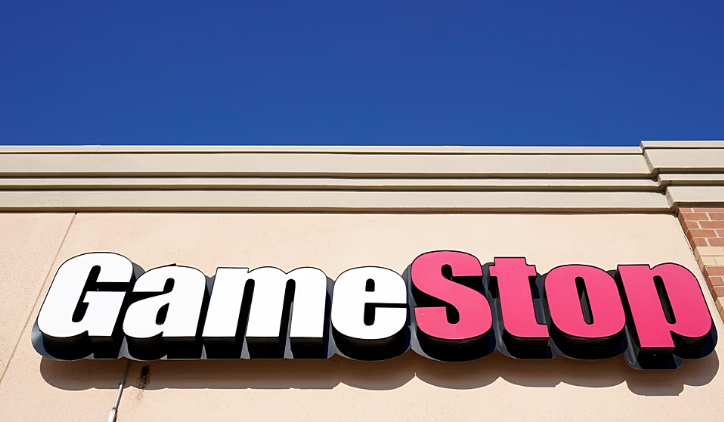
US gaming retailer GameStop has launched a surprise $56 billion (€47.8 billion) bid to acquire online marketplace eBay, signalling a dramatic shift in strategy as it seeks to expand beyond its traditional retail model.
The proposal, disclosed in financial filings on Monday, would rank among the largest deals in the history of digital commerce if completed. It outlines plans to combine GameStop’s physical store network with eBay’s global online platform, creating a unified system for buying, selling and trading goods.
Chief executive Ryan Cohen is leading the effort, aiming to transform the company into a broader technology-driven marketplace. Since taking charge, Cohen has pushed GameStop to reduce reliance on brick-and-mortar sales and focus on digital services, including the fast-growing collectibles segment.
Under the proposed deal, GameStop would gain access to eBay’s vast international customer base and infrastructure, which processes billions of dollars in transactions annually. The company has indicated it plans to integrate its “PowerUp Rewards” loyalty programme with eBay’s seller ecosystem, allowing customers to trade products across both physical stores and online channels.
Market reaction to the announcement has been mixed. Shares in eBay rose about 10 percent in pre-market trading, reflecting investor interest in the premium offered. GameStop’s stock held steady early Monday, following gains in the previous session ahead of the announcement.
The company intends to fund the acquisition through a combination of existing cash reserves and new equity issuance. While GameStop has raised significant capital in recent years, some analysts have raised concerns about the financial risks associated with a deal of this scale, including potential pressure on its balance sheet.
Despite those concerns, company officials argue the merger could unlock new revenue streams by connecting online and in-store trading, particularly in the secondary market for electronics and gaming products.
The proposed acquisition is expected to face intense regulatory scrutiny. Competition authorities in the United States and the European Union are likely to examine whether the deal could reduce competition in the resale market, especially for pre-owned electronics and gaming goods.
Critics have warned that a combined entity could gain significant influence over pricing and availability in the second-hand market, potentially affecting smaller independent sellers who rely on platforms like eBay.
The outcome of the bid remains uncertain, with regulatory reviews and shareholder responses set to play a key role in determining whether the deal proceeds. If approved, the acquisition would mark a major transformation for GameStop and could reshape the landscape of global e-commerce.