

The European Union is preparing a set of emergency measures aimed at preventing a potential jet fuel shortage as disruption to global energy supplies raises concerns across the aviation sector, according to officials familiar with the draft proposals.
European airlines have warned that fuel constraints could emerge within weeks, driven by ongoing instability linked to the Iran conflict and the resulting disruption of shipping routes through the Strait of Hormuz. The crisis has already pushed jet fuel prices higher and raised fears of flight delays, cancellations and capacity cuts during the peak summer travel season.
Europe remains heavily dependent on imported jet fuel, with roughly 75 percent sourced from the Middle East, making it particularly vulnerable to supply shocks. Airlines and industry bodies have urged the European Commission to strengthen monitoring of fuel availability and consider coordinated purchasing arrangements to stabilise supply.
A draft proposal seen by Reuters outlines plans for EU-wide mapping of refining capacity for oil products, alongside measures intended to ensure that existing refineries operate at full capacity. The European Commission is also developing additional steps focused specifically on jet fuel supply resilience, though those proposals remain under discussion ahead of their expected publication on April 22.
The move comes as energy markets continue to react to geopolitical tensions. The blocking of the Strait of Hormuz has tightened global fuel flows, prompting warnings from both industry and international agencies that shortages could materialise as early as June if supply conditions do not improve.
The International Energy Agency has cautioned that if only half of normal Middle East exports are replaced, global aviation fuel shortages could follow. Analysts say alternative supply routes, including increased imports from Africa and the United States, are unlikely to fully offset the shortfall. At the same time, many European airports and fuel suppliers operate with limited storage capacity, reducing their ability to absorb prolonged disruptions.
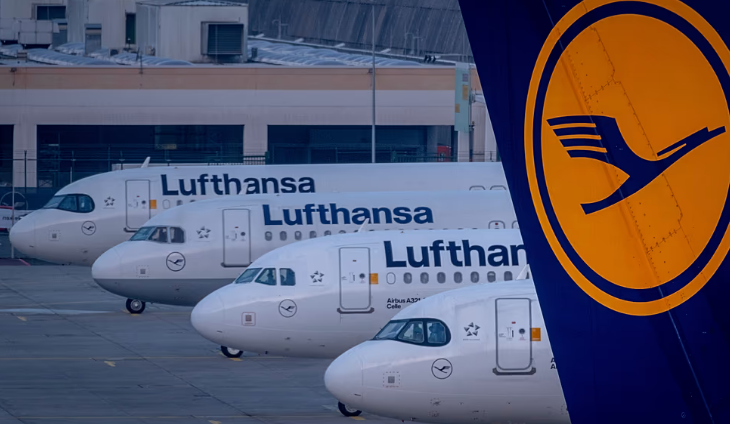
Airline executives have also expressed concern over shrinking forecasting visibility. Lufthansa’s chief technical officer Grazia Vittadini told Reuters that suppliers are now hesitant to provide outlooks beyond short-term windows, reflecting growing uncertainty in the market.
Supply conditions across Europe vary widely. Spain operates multiple refineries and exports jet fuel, while countries such as the United Kingdom rely on imports for more than 60 percent of demand. The OECD Europe region as a whole imports over 30 percent of its jet fuel, much of which is transported through vulnerable maritime routes.
The European Union currently requires member states to maintain 90 days of emergency oil reserves, though jet fuel is not subject to specific stock requirements. Officials are now reviewing whether existing frameworks are sufficient to withstand prolonged disruption to global energy flows.