
Global crude prices extended losses on Thursday after the United States and Iran signed a memorandum of understanding aimed at ending their conflict and reopening the Strait of Hormuz, a key route for global energy shipments. Equity markets also responded unevenly as investors digested the Federal Reserve’s latest policy signals.
Oil benchmarks dropped in early trading following confirmation that US President Donald Trump and Iranian President Masoud Pezeshkian had signed an initial agreement designed to halt hostilities and restore normal maritime flows through the Strait of Hormuz. The waterway handles a significant share of global crude exports, and expectations of its reopening immediately weighed on prices.
At the time of writing, West Texas Intermediate fell 2.3% to around $75 a barrel, while Brent crude slipped about 2% to $78 a barrel. Although both benchmarks remain above pre-conflict levels near $70, they have retreated sharply from recent highs above $100 recorded during the height of the tensions.
The agreement sets a 60-day period for negotiations on a final settlement addressing Iran’s nuclear programme. In the interim, Tehran has agreed to reduce its stockpile of highly enriched uranium. The deal also includes provisions for easing sanctions, allowing Iran to resume oil exports and enabling tanker traffic to move more freely through the Persian Gulf.
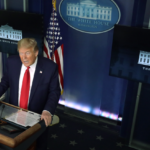
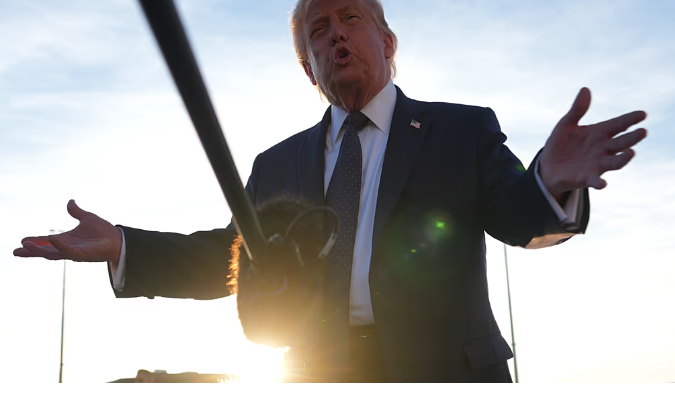
US officials have indicated that the Strait of Hormuz could be fully reopened by Friday without transit fees, a development that has reinforced expectations of increased global supply. President Trump, commenting after the signing, said “oil down, stocks up,” reflecting market reactions to the accord.
Despite the easing outlook, the International Energy Agency has warned that global oil markets remain fragile. Strategic reserves in advanced economies have fallen to their lowest levels since 1990, with OECD stockpiles declining by more than 160 million barrels since the conflict began. The agency also revised down its demand forecast, citing weaker consumption and elevated fuel prices.
Flows through the Strait of Hormuz had already begun recovering before the agreement, reaching roughly 12 million barrels per day in early June after a period of disruption.
Financial markets, meanwhile, delivered a mixed performance following the Federal Reserve’s latest projections. Wall Street fell on Wednesday, with the S&P 500 down 1.2%, the Dow Jones off 1%, and the Nasdaq losing 1.3%, after policymakers signalled the possibility of interest rate increases later this year.
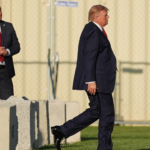
In his first press conference as Fed chair, Kevin Warsh avoided committing to a clear policy path, signalling a shift in how the central bank communicates future decisions. US President Donald Trump, attending the G7 summit in France, described the situation as “whatever,” while acknowledging uncertainty over potential rate hikes.
Early trading on Thursday pointed to a rebound, with US futures higher and Asian equities advancing on optimism over easing geopolitical risks. European markets opened more cautiously, reflecting lingering uncertainty despite the improving energy outlook.