


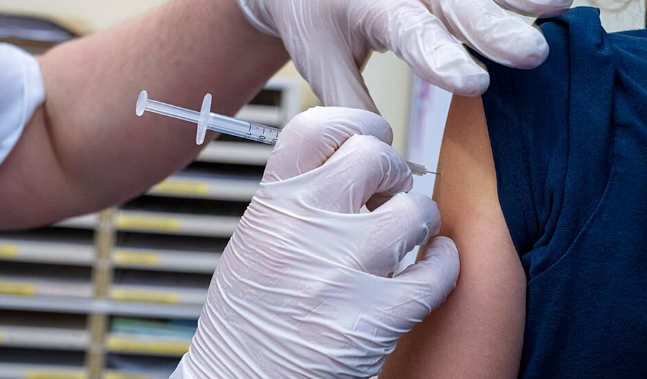
Flu vaccination rates among older people in Germany have fallen to their lowest level in 17 years, prompting renewed calls for eligible groups to get immunised ahead of the winter season.
According to figures reported by the German medical publication Ärzteblatt, only 34 per cent of people aged 60 and over received a flu vaccine in 2025. Data from the Robert Koch Institute (RKI), Germany’s federal public health agency, showed the lowest uptake among this age group since records began 17 years ago.
The decline comes as Germany updates its recommendations for coronavirus vaccinations and other seasonal immunisations. Public figures in countries including the United Kingdom and the United States have recently promoted flu vaccination, but the campaign has not been matched by similar enthusiasm among the German public.
The RKI recommends annual flu vaccination for people aged 60 and over, those with chronic illnesses, residents of care homes, healthcare workers and pregnant women. People who have regular contact with certain animals, including pigs and poultry, are also advised to get vaccinated.
Older adults are particularly vulnerable to complications from influenza. Health recommendations also include protection against pneumococcal infections and shingles. People at risk of severe respiratory syncytial virus (RSV) infection are advised to discuss vaccination with their doctors.
Updated coronavirus vaccination advice
Coronavirus vaccination is now recommended primarily for people aged 75 and over and those at increased risk of severe illness. This includes individuals with weakened immune systems, healthcare workers and pregnant women with additional health risks.
The narrower recommendation has also affected reimbursement arrangements, meaning some people covered by statutory health insurance may no longer receive full reimbursement for a COVID-19 vaccination.
RKI figures show that uptake has also declined for coronavirus vaccines. In 2025, only 16 per cent of people aged over 60 in Germany received a COVID-19 vaccination.
Childhood immunisation and measles protection
Germany maintains a separate vaccination schedule for babies and young children, covering diseases including tetanus, diphtheria, whooping cough, polio, hepatitis B, meningitis, measles, rubella and mumps. Immunisation against RSV is also included in the recommendations.
Measles vaccination is subject to specific legal requirements under Germany’s Measles Protection Act. Children must provide proof of vaccination or immunity before attending nursery or school. The rules also apply to people born after 1970 who work in childcare or healthcare facilities.
The requirements come amid renewed concern about measles outbreaks internationally, including a recent rise in cases in the United States, where gaps in vaccination coverage have contributed to the spread of the disease.
Research into wider health benefits
Researchers are also examining whether vaccines provide benefits beyond protection against their target infections.
Studies into so-called non-specific effects suggest that certain vaccinations may influence immune responses to other pathogens. Research is examining possible links between flu vaccination and reduced cardiovascular complications, as well as whether some vaccines could help lower dementia risks.
Scientists say further investigation is needed to establish the extent of these effects. Health authorities continue to emphasise vaccination as an important means of preventing infectious diseases and reducing the risk of serious complications.