Growing concern over recent hantavirus cases linked to cruise ship passengers has renewed attention not only on the deadly infection itself, but also on the long-term health problems many survivors continue to face months after leaving hospital.
Health experts say fear surrounding the virus is driven by two major factors: its long incubation period, which can last up to eight weeks, and the lack of any approved antiviral treatment or vaccine.
The strain drawing particular attention is the Andes virus, which can cause a severe illness known as Hantavirus Cardiopulmonary Syndrome. The condition affects the lungs and heart and carries a mortality rate of up to 50 percent in serious cases. Doctors say rapid access to intensive care treatment is often critical for survival.
Despite growing international concern following cases aboard the cruise ship MV Hondius, researchers and the World Health Organization have stressed there is no evidence the virus poses a pandemic threat similar to Covid-19.
Still, scientists are increasingly studying what happens after patients survive the infection.
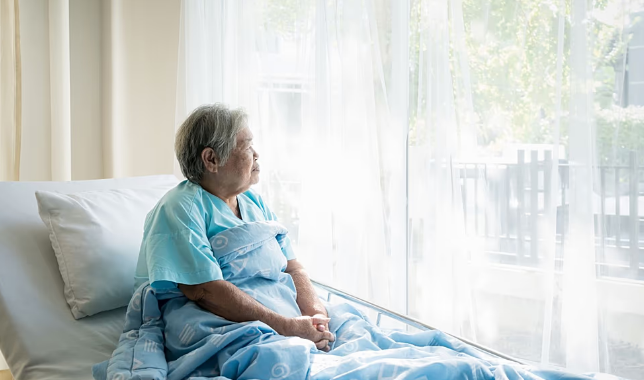
Researchers at Pontificia Universidad Católica de Chile followed 21 survivors of hantavirus cardiopulmonary syndrome between three and six months after they were discharged from hospital. Their findings suggest recovery is often slow and incomplete.
According to the study, every survivor reported at least one continuing symptom months after infection. More than 60 percent said they had not fully recovered, while patients experienced an average of 11 to 12 lingering symptoms each.
The study found that many survivors continued to suffer from fatigue, insomnia, anxiety, memory problems, nightmares and sensory disturbances. Some patients also experienced motor difficulties, heart palpitations and hair loss.
Researchers noted that even patients who had relatively milder cases continued to face long-term health problems, suggesting the virus itself may trigger prolonged recovery rather than the effects of intensive care alone.
The most severe patients required Extracorporeal Membrane Oxygenation, commonly known as ECMO, a procedure used when the heart and lungs can no longer function properly. Those patients were more likely to receive rehabilitation care such as physical therapy after discharge.
By contrast, only about 30 percent of less severe survivors received follow-up rehabilitation support.
Many survivors also reported difficulties returning to normal life. Nearly one in five patients had still not resumed work or school six months after infection. Those who did return said it took an average of around three and a half months before they could resume daily activities, often with reduced performance.
Researchers also found signs of social stigma. Nearly half of the patients in the ECMO group said they experienced fear or avoidance from others because of concerns about “rodent-borne contagion.”
The study’s authors acknowledged the research involved a relatively small number of patients. Still, they said the findings highlight the need for broader long-term care for hantavirus survivors, including mental health support, rehabilitation services and better public understanding of the illness.