

A new study by researchers at the University of California San Diego suggests that a week of intensive meditation and mind-body practices may lead to measurable changes in both brain activity and physical health, highlighting a deeper connection between mental experience and biological function.
The findings, published in Communications Biology, indicate that consistent mental practices can activate biological pathways linked to brain flexibility, immune response, metabolism and natural pain relief. Researchers said the results point to a growing understanding that conscious experience and physical health are closely intertwined and may be used to improve overall well-being.
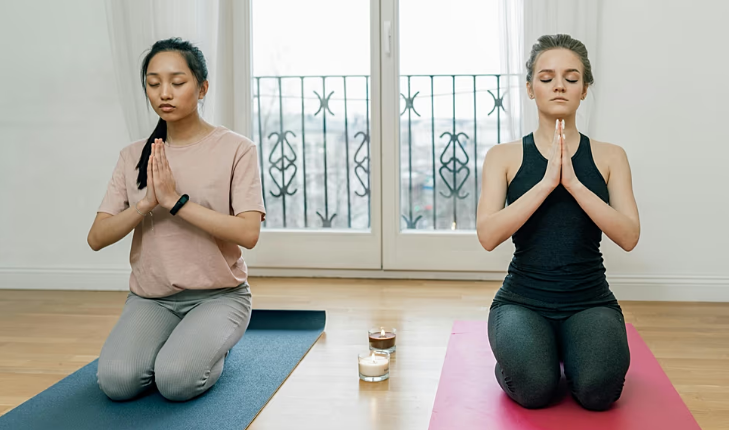
The study followed 20 healthy adults who participated in a seven-day residential retreat led by neuroscience educator Joe Dispenza. Participants completed about 33 hours of guided meditation along with lectures and group-based activities. Some elements were presented using an “open-label placebo” approach, meaning participants were aware that certain practices were described as placebos, yet previous research suggests such methods can still produce real effects through expectation and group dynamics.
To measure the impact of the retreat, researchers used functional MRI scans and blood tests before and after the programme. The results showed reduced activity in brain regions associated with constant internal thoughts, often described as mental “background noise,” suggesting more efficient brain function.
Blood samples also revealed changes linked to neuroplasticity, with lab-grown neurons exposed to post-retreat plasma showing increased growth and connectivity. Additional findings pointed to improved metabolic flexibility, as well as higher levels of endogenous opioids, the body’s natural painkillers.
Researchers also observed shifts in immune signalling, with both inflammatory and anti-inflammatory responses increasing in what they described as a more balanced and adaptive pattern. Participants reported stronger feelings of unity and altered awareness after the retreat, based on scores from a standard questionnaire used to assess such experiences.
Hemal H. Patel, who was involved in the research, said the results go beyond simple stress reduction. He noted that combining multiple mind-body techniques appeared to influence several biological systems at once, with measurable effects in both brain scans and blood chemistry.
The study also found that patterns of brain connectivity observed after the retreat resembled those previously associated with psychedelic substances, suggesting that similar states may be achieved through meditation alone.
Despite the findings, researchers cautioned that the study was limited by its small sample size and lack of a control group. They said further research is needed to determine whether the same effects would be seen in larger and more diverse populations.
Alex Jinich-Diamant said the results provide rare biological evidence linking mental states to physical changes in the body. He added that the research offers new insight into how attention, belief and structured practices may leave measurable effects on human biology, opening potential pathways for improving health through non-pharmacological methods.