

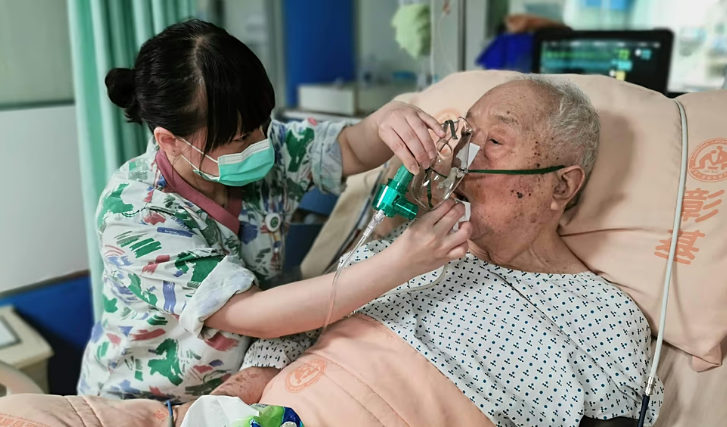
A new study by researchers at the University of California, San Francisco has shed light on why older adults are more vulnerable to severe illness from respiratory infections such as COVID-19 and the flu.
New research highlights the impact of ageing-related inflammation, especially due to immune cells marked by the GZMK gene, first seen in people affected by severe COVID. Scientists say ageing lung tissue may play a central role in triggering excessive immune responses that can worsen disease outcomes.
The findings, published in the journal Immunity, focus on fibroblasts—structural cells in the lungs that were not previously thought to drive inflammation. Researchers found that these cells can send distress signals as they age, setting off what is known as “inflammaging,” a chronic, low-level inflammatory state linked to ageing.
To test this, scientists altered fibroblasts in young mice to mimic ageing cells. The modified cells began sending signals that triggered immune responses, drawing immune cells into the lungs and forming clusters of inflamed tissue. Among these were immune cells marked by the GZMK gene, which had earlier been observed in patients with severe COVID-19.
While these GZMK-marked cells did not effectively fight infection, they contributed to lung damage. The young mice began to show symptoms typically associated with older, more vulnerable patients. However, when researchers removed these cells using genetic techniques, the lungs were better able to withstand infection, suggesting that these immune cells play a harmful role.
The study indicates that ageing lung tissue itself may be a key driver of inflammation, rather than just a weakened immune system. Similar mechanisms may also contribute to other respiratory conditions, including Chronic obstructive pulmonary disease.
Lead researcher Tien Peng said the findings were unexpected, noting that fibroblasts appear to work alongside immune cells to sustain inflammation. He added that understanding this interaction could help scientists develop treatments to prevent severe complications.
The research team also examined lung tissue from older patients suffering from acute respiratory distress syndrome linked to COVID-19. They found similar clusters of inflamed cells, with more severe cases showing higher levels of inflammation. In contrast, healthy lung tissue did not display these patterns.
Researchers believe the discovery could lead to new therapies aimed at targeting GZMK-related immune cells or interrupting the signalling process between fibroblasts and the immune system. Such treatments may help reduce the risk of severe inflammation and improve outcomes for older patients.
The findings offer a clearer picture of how ageing affects the lungs and could shape future approaches to managing respiratory diseases in vulnerable populations.