US President Donald Trump said on Saturday that his administration is reviewing a new proposal from Iran aimed at ending months of conflict, though he indicated he remains doubtful that the offer will lead to an agreement.
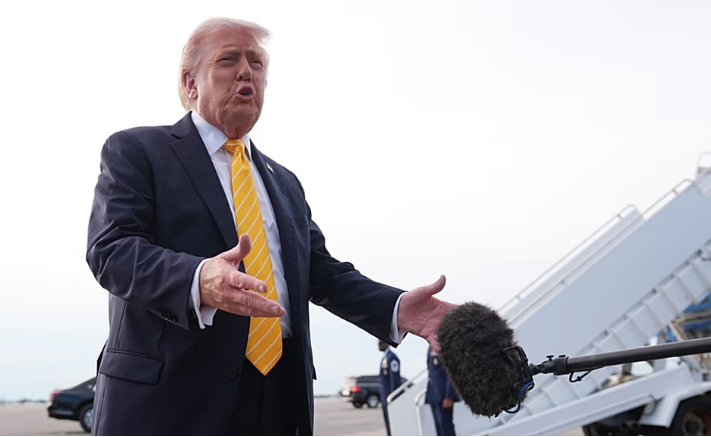
Speaking before boarding Air Force One, Trump said he had yet to receive the final text of the proposal but expected it shortly. “I’ll let you know about it later,” he told reporters, adding that Iranian officials were preparing to provide the exact wording.
Later, in a post on Truth Social, Trump struck a sceptical tone. He said he would soon examine the plan but questioned whether it could be acceptable, arguing that Iran had not yet faced sufficient consequences for its actions over the past several decades.
Details of the latest proposal have not been officially confirmed by either government. However, Iranian news agencies Tasnim and Fars, both closely aligned with the Islamic Revolutionary Guard Corps, reported that Tehran had submitted a 14-point plan through Pakistan. The proposal is said to be a response to an earlier nine-point offer from Washington.
Iran’s state media have not yet commented on the reports.
Pakistan has played a recurring role as an intermediary between Washington and Tehran, hosting several rounds of talks in Islamabad. Previous negotiations have ended without agreement, often amid disputes over terms and diplomatic logistics.
Earlier this week, Trump rejected another Iranian proposal, saying Tehran was unwilling to offer what the United States required to secure a deal. Despite that setback, backchannel discussions have continued, and a fragile ceasefire that has held for three weeks remains in place.
The diplomatic efforts come amid ongoing tensions over the Strait of Hormuz, one of the world’s most important energy shipping routes. Roughly one-fifth of global oil and natural gas trade normally passes through the narrow waterway, which has been largely closed to commercial traffic since fighting began in late February.
Iran recently suggested it would permit vessels to transit the strait in exchange for fees, a proposal that was swiftly rejected by Washington. The United States has warned shipping companies that any payments to Iran, whether in cash, digital assets or other forms, could trigger sanctions.
US officials said such arrangements would amount to financing Iranian coercion. The warning extends to informal swaps, in-kind transactions and even payments made through charitable channels or diplomatic missions.
In recent weeks, the United States has also intensified pressure through a naval blockade of Iranian ports. According to US officials, dozens of vessels attempting to enter or leave Iranian waters have been turned back.
Trump has argued that the blockade is inflicting severe economic damage on Iran, which is already under heavy strain from years of international sanctions tied to its nuclear programme and human rights record.