European travellers are increasingly using their holidays to learn new skills rather than simply relax or collect souvenirs, according to a new survey by Mastercard that highlights a growing demand for experience-driven travel.
The study, which surveyed more than 27,000 holidaymakers across 28 European countries, found that 48 percent of respondents plan to learn a new skill during their trips this summer. Many travellers also said they are willing to spend more on holidays that offer authentic learning experiences, reflecting changing priorities in the tourism sector.
According to the findings, 42 percent of participants would pay extra for trips that include opportunities to develop new abilities, while seeking local businesses and instructors who can provide genuine cultural experiences.
The survey found that 37 percent of respondents have already booked what Mastercard describes as a “skilliday” – a holiday centred on learning practical or creative skills rather than traditional sightseeing.
Younger travellers are leading the trend. Among those aged 18 to 24, 57 percent said they were planning a skill-based holiday this season. The figure stood at 52 percent among travellers aged 25 to 34, showing continued enthusiasm among younger generations for educational travel experiences.
The research also revealed that 51 percent believe learning something new makes a holiday more meaningful, while 48 percent said the knowledge and abilities gained during a trip are more valuable than the souvenirs they bring home.
Natalia Lechmanova, chief economist for Europe at the Mastercard Economics Institute, said travellers are increasingly looking for experiences that create lasting memories through active participation.
She said spending on experiences has remained stronger than spending on physical goods, with skill-focused holidays representing a growing segment of the travel market. She added that these trips often encourage visitors to explore smaller towns, rural communities and destinations outside the traditional peak tourist season, helping spread tourism benefits more evenly.
Language learning emerged as the most popular activity among European travellers, with 30 percent expressing interest in improving basic conversational skills while abroad. Culinary experiences ranked closely behind, with 28 percent hoping to attend cooking classes led by local chefs, while another 28 percent wanted to learn about food and drink production, including cheesemaking.
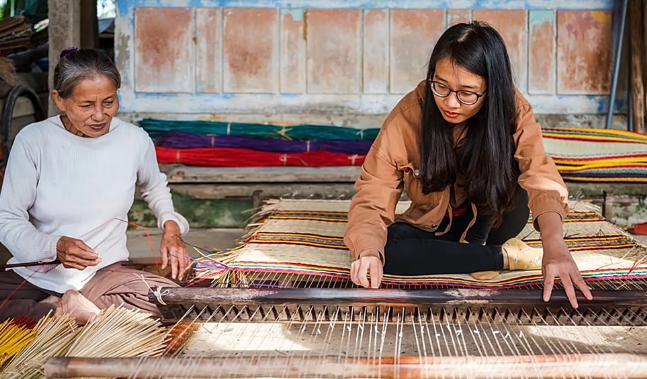
Wellness activities such as meditation, yoga and martial arts attracted 25 percent of respondents, followed by traditional crafts including pottery, weaving and woodworking at 24 percent. Creative pursuits such as photography, painting and writing were selected by 23 percent, while sports, hiking and surfing appealed to 19 percent.
The survey also highlighted differences between countries. Serbian travellers showed the strongest interest in learning new languages, while Romanians expressed the greatest enthusiasm for cooking classes. Swedish respondents were particularly interested in food production, Slovenians favoured wellness activities, and Italians showed the highest interest in traditional crafts. Croatians and Serbians ranked highest for creative arts, while Ukrainians were the most interested in developing new sports and fitness skills during their holidays.