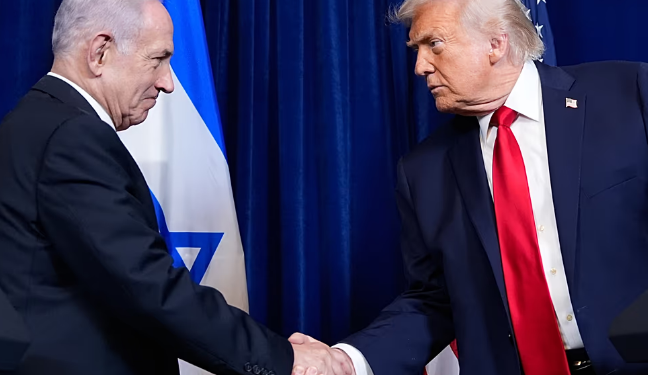
Tensions between Washington and Tel Aviv have intensified amid the ongoing war with Iran and wider instability in the Middle East, with new reports indicating that the Pentagon has significantly escalated its counterintelligence posture toward Israel.
According to multiple US media outlets, the Pentagon’s Defense Intelligence Agency (DIA) has placed Israel on its highest level of counterintelligence concern, classifying it as a “critical” priority. The designation reportedly follows growing unease within US security circles over alleged intelligence-related activities linked to Israeli operations targeting American officials.
The reports suggest that concerns centre on the possibility that Israeli intelligence efforts may have attempted to gather sensitive information about senior figures in the Trump administration. Individuals named in media coverage include US Middle East envoy Steve Witkoff and Pentagon policy chief Elbridge Colby, who are said to be involved in internal discussions on regional conflict strategy.
The New York Times reported that US agencies are reviewing whether Israeli operatives sought insight into American decision-making processes regarding the war with Iran and broader regional security policy. However, the allegations have not been independently verified.
Israel has strongly rejected the claims. An Israeli Embassy spokesperson in Washington described reports suggesting Israeli surveillance of US officials as “completely false,” stressing that Israeli intelligence services operate exclusively against hostile actors and not allied nations. The embassy further denied any efforts to collect intelligence on US government personnel.
US officials offered mixed responses. The Pentagon declined to comment on the matter, while a White House official dismissed the reporting as inaccurate, arguing that it was based on unnamed sources without direct knowledge of intelligence operations.
The developments come at a sensitive moment for US–Israel relations, which have faced increasing pressure over military operations in Lebanon and ongoing strikes linked to the broader Iran conflict.
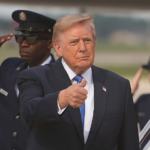
Separately, US President Donald Trump acknowledged tensions with Israeli Prime Minister Benjamin Netanyahu, confirming that he used strong language during a recent phone call in which he expressed frustration over Israel’s continued military actions in Lebanon. Trump said he was “a little bit perturbed” by the situation, though he maintained that cooperation between the two countries remained strong.
The call follows continued Israeli strikes in southern Lebanon despite a US-brokered ceasefire agreement. Lebanese authorities reported multiple casualties in recent attacks, including at least five deaths and more than 20 injuries in separate incidents.
Despite reported disagreements, Trump emphasised that both governments continue to operate under wartime pressures and insisted that strategic coordination between Washington and Jerusalem has not broken down, even as diplomatic strains become more visible.