


Spain, one of the world’s leaders in life expectancy at around 84 years, is facing a growing challenge behind the numbers: longer lives are not always healthier lives. New research and clinical initiatives are now focusing on preventive and longevity medicine, aiming to extend not just lifespan but the years spent in good health.
While Spain’s ageing population reflects major progress in healthcare and living standards, experts warn that nearly half of life after the age of 65 is often affected by illness, reduced mobility, or loss of independence. This gap between longevity and quality of life has become a central concern for medical professionals and researchers.
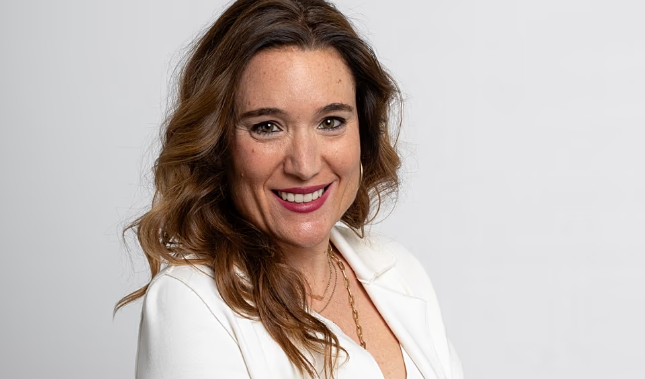
Speaking at the Ibiza Tech Forum, pharmacist and longevity advocate Cristina Spa, founder of C+Longevity, described efforts to connect advanced technology with everyday clinical practice. Her initiative works with doctors, nurses, nutritionists and psychologists, offering structured training and scientific resources to ensure that emerging longevity tools are applied safely and effectively in healthcare settings.
Spa highlighted the growing risk of misinformation surrounding so-called “biohacking” trends promoted on social media, where unverified treatments and extreme lifestyle practices often circulate without scientific oversight. She warned that while interest in extending healthy life is increasing, it must remain grounded in clinical evidence rather than online speculation.
A key part of the movement is the growing involvement of universities and research institutions, including new longevity-focused groups in Spain’s academic sector. Researchers see this as a step toward formal recognition of healthy ageing as a medical discipline in its own right.
Interestingly, interest in longevity medicine is not limited to younger generations. Experienced doctors are increasingly leading the field, often driven by years spent working within healthcare systems that are largely reactive rather than preventive. Many now argue that earlier intervention and personalised health planning could significantly improve long-term outcomes.
The field is also expanding across multiple specialties. What was once associated mainly with aesthetics is now attracting attention from endocrinologists, immunologists, gynaecologists, and paediatricians, reflecting a broader understanding that ageing begins at birth and evolves throughout life.
Technology is playing a growing role through wearable devices that track sleep, heart rate, and other health indicators. However, experts caution that data alone can be misleading without professional interpretation. Spa emphasised that health information must be assessed in context, as raw numbers can create unnecessary anxiety or false reassurance if misunderstood.
Despite growing interest, access to longevity medicine remains limited and costly, with most healthcare systems still focused on treating illness rather than preventing it. Advocates argue that this model will need to shift as populations continue to age.
Looking ahead, experts believe that increased demand, wider training, and public pressure could gradually make preventive longevity care more accessible, helping people not only live longer but maintain independence and wellbeing in later life.