
European Union naval forces have boarded a suspected Russian shadow fleet tanker in the Mediterranean Sea and confirmed that it was sailing under a false flag, the bloc’s foreign policy chief Kaja Kallas said on Sunday.
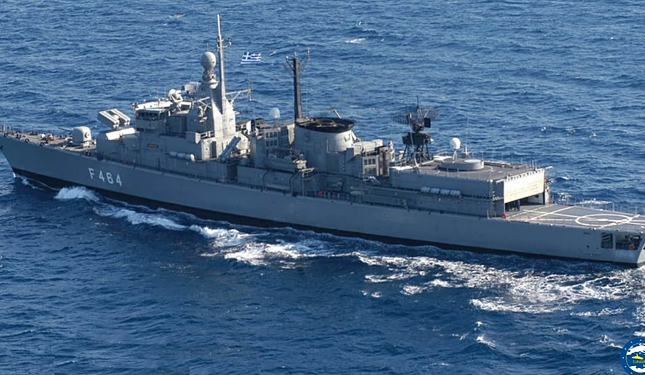
Troops operating under the EU’s Operation Irini boarded the MV Midag on Friday to verify its registration and flag status. Kallas shared images of the operation on social media, saying the EU would continue targeting vessels used by Russia to circumvent Western sanctions.
“The EU will keep disrupting Russia’s shadow fleet at sea and through diplomatic means,” she wrote.
Kallas also said EU foreign ministers were expected to approve additional sanctions against Russia on Monday. The proposed measures would target banks, oil buyers and companies accused of supporting the shadow fleet.
Russia relies on a network of tankers commonly described as its shadow fleet to continue exporting oil despite restrictions imposed by Western governments following its invasion of Ukraine. The vessels often operate through complicated ownership arrangements, use flags of convenience and change registration details to make it harder to identify their links to Russia and establish the origin of their cargoes.
The latest boarding follows similar operations by Operation Irini in recent months. In August, EU forces carried out a flag verification inspection of the oil tanker MV Sun. Another operation earlier that month targeted the MV Toa Payoh.
Operation Irini expands its role
Operation Irini was established in March 2020 to enforce a United Nations arms embargo on Libya during the country’s civil conflict.
Its original responsibilities included monitoring and disrupting illegal arms trafficking, collecting information about oil smuggling networks, helping combat human trafficking and supporting the training of Libyan law enforcement and search-and-rescue institutions.
The mission’s mandate was renewed in October and will now run until March 31, 2029. Its responsibilities have been expanded to include protecting EU interests in the Mediterranean, supporting peace and stability in Libya and helping restrict Russia’s shadow fleet activities.
The EU has identified the Mediterranean as an important transit and transfer route for the vessels, which can move between shipping areas to transfer oil and conceal the origin of cargoes.
The expanded mandate reflects growing European efforts to enforce sanctions beyond financial restrictions and target the maritime networks that help Russia maintain its oil trade.
Kallas’s announcement signals that the bloc intends to continue using inspections, diplomatic pressure and additional sanctions to disrupt those operations. The planned measures against financial institutions, buyers and supporting companies would extend pressure beyond the vessels themselves to businesses involved in moving and purchasing Russian oil.