

The economic fallout from the Iran war is weighing heavily on Gulf economies, with disruptions to energy exports and aviation affecting trade across the Middle East and creating challenges for European energy buyers.
The World Bank expects the six economies of the Gulf Cooperation Council to contract by an average of 4.3% this year as the conflict continues to disrupt regional trade and business activity.
Higher oil prices have failed to offset the impact of reduced export volumes, which have affected economic output and government revenues, the World Bank said in a regional update published on Tuesday.
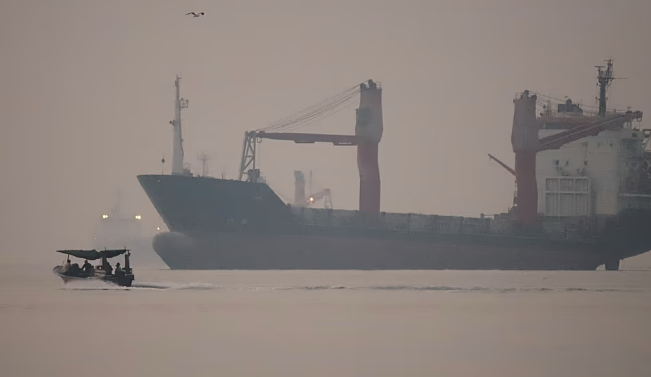
There are signs that some oil shipments are recovering. Middle Eastern crude exports exceeded pre-war levels on 14 days in September, Reuters reported on Wednesday, citing provisional data from Kpler. The shipments included crude transported through the Strait of Hormuz as well as supplies moved through alternative routes.
The World Bank’s forecast covers the entire year and includes economic sectors beyond oil. The disruption has also affected natural gas supplies, particularly shipments of liquefied natural gas from Qatar.
Four vessels carrying Qatari LNG were reported to have reappeared outside the Strait of Hormuz around October 2 and 3, Reuters reported on Monday.
Italian energy company Edison said on September 28 that QatarEnergy had extended its force majeure notification until early December because it was unable to deliver additional scheduled cargoes.
According to Edison, 35 cargoes scheduled between April and early December had been affected, representing about 4.6 billion cubic metres of gas intended for Italy’s Adriatic LNG terminal. Edison said it had secured replacement supplies and remained capable of meeting its commitments to customers.
Airlines face weaker demand
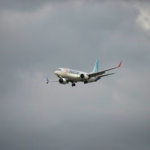
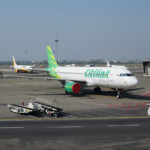
The aviation industry has also suffered from the conflict. Passenger traffic on Middle Eastern airlines fell 14.6% in August from a year earlier, according to figures released by the International Air Transport Association on September 30.
The measure takes into account both the number of passengers carried and the distance travelled. Regional airlines reduced available capacity by 9.3%, while passenger traffic fell more sharply, leaving more seats unoccupied.
At the same time, Gulf carriers are picking up some passengers affected by flight cancellations by European and other airlines.
Aviation consultant Omar Hashmi said Emirates, Qatar Airways and Etihad Airways serve both passengers connecting through their hubs and travelers visiting the Gulf. Longer flight routes caused by airspace restrictions are also raising fuel expenses and creating operational difficulties.
“When airspace is closed, and routes become longer, there is also the headache that flight timings change,” Hashmi told Euronews.
Qatar warned on Tuesday that the conflict was affecting countries well beyond the region, saying the “whole world is paying” for its consequences.
The World Bank also cautioned that damaged infrastructure and delayed investment could continue to weigh on Gulf growth even after the immediate disruption caused by the war eases.