


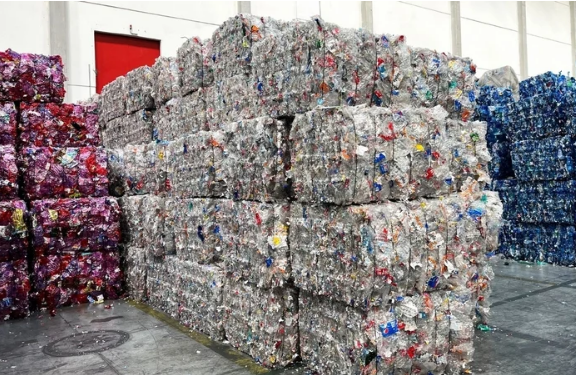
Ireland’s Deposit Return Scheme (DRS) has passed a major milestone, with more than three billion bottles and cans returned since the initiative was introduced in 2024, according to scheme operator Re-turn.
The industry-led, not-for-profit organisation said the programme continues to gain momentum and is on course to meet its long-term recycling targets. A record 5.8 million containers were returned on June 27, exceeding the daily average of fewer than five million recorded during the previous month.
Re-turn estimates the scheme is currently achieving a recycling rate of between 78% and 79%, with a target of reaching 90% by 2029. The company said around 800 million additional bottles and cans are now being recycled annually because of the programme.
Chief Executive Ciaran Foley described the initiative as performing strongly, adding that it continues to expand. Re-turn reported €66.7 million in unclaimed deposits during 2024, one of its three main revenue sources alongside producer fees and income from selling recyclable materials. The organisation said all revenue is reinvested into operating the scheme, retailer payments, transport, recycling, public awareness campaigns and improving access to return facilities.
Despite the progress, the scheme continues to face criticism from consumers and retailers. Some shoppers complain about storing empty containers at home before returning them to reverse vending machines, where queues, full bins and equipment faults can be common. Others argue the refundable deposit effectively increases the upfront cost of drinks that could previously be placed in household recycling bins.
Retailers have also raised concerns over the financial burden of operating return machines. The Convenience Stores and Newsagents Association (CSNA) said many smaller businesses are struggling with installation, maintenance, electricity and staffing costs. According to the association, annual operating expenses can reach around €15,000, while handling fees paid to retailers are not sufficient to cover those costs.
CSNA President Sara Orme said many customers now return large bags of containers and collect cash rather than spending the refunds in stores. The association plans to present its concerns before the Joint Oireachtas Committee on Climate, Environment and Energy during discussions with Re-turn this week.
Environmental groups say the scheme has delivered clear benefits. Irish Business Against Litter reported that discarded bottles and cans in towns and cities have more than halved since the DRS was introduced. However, the organisation noted that litter involving beverage containers has shown a slight increase in recent months and suggested the current deposit value may need to be reviewed to encourage higher return rates.
The Irish Waste Management Association also challenged recent comments suggesting containers placed in household recycling bins are “downcycled.” The association said plastic bottles and aluminium cans collected through household recycling are processed to the same standard as those returned through the DRS, with bottles recycled into bottles and cans into cans.
Looking ahead, the waste management industry has proposed a digital deposit return system using QR codes that would allow consumers to reclaim deposits by scanning containers and household recycling bins through a mobile app. While the proposal has not yet been adopted, supporters believe it could make future recycling schemes more convenient and expand coverage to additional products.