The outlook for the global economy during the remainder of the year will depend largely on whether the fragile peace agreement between the United States and Iran survives, according to a new analysis by Oxford Economics, which says the deal could determine the direction of inflation, energy prices and financial markets.
After a first half marked by conflict in the Middle East, volatile oil prices and rapid growth in artificial intelligence investments, the consultancy believes the next six months will be influenced by a series of interconnected risks, with the US-Iran truce standing at the center.
Chief Global Economist Ryan Sweet said the durability of the agreement would determine whether the global economy benefits from lower energy costs or faces another oil-price shock.
Oxford Economics forecasts global annualized economic growth of 3.1 percent during the second half of the year, compared with an estimated 1.6 percent in the first six months. The projection assumes oil prices remain relatively stable, supporting consumer spending and easing inflationary pressures. However, Sweet described the chances of the peace agreement holding as no better than “a coin flip.”
The report expects Brent crude to average in the low $70s per barrel if the agreement remains intact. A breakdown, however, could trigger higher inflation, tighter financial conditions and renewed pressure on global supply chains.
Those concerns intensified after fresh military exchanges on Wednesday. The United States launched strikes against Iran following allegations that Tehran had attacked three commercial vessels in the Strait of Hormuz. Iran responded with strikes targeting Bahrain and Kuwait, raising fears that the ceasefire could unravel.
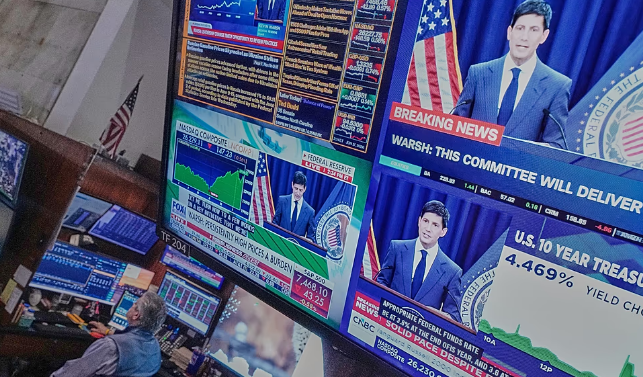
Oil markets reacted quickly, with Brent crude climbing above $78 a barrel after rising more than six percent during trading.
Oxford Economics said any disruption would extend well beyond energy markets. Higher oil prices could increase production costs for technology companies, disrupt semiconductor supply chains across Asia, complicate central bank policy decisions and influence political developments, including upcoming elections in the United States and Israel.
The consultancy’s outlook differs from several other major forecasts. Morgan Stanley expects crude prices to approach $90 a barrel by year-end, while the World Bank projects Brent crude to average around $94 this year and anticipates global economic growth slowing to 2.5 percent in 2026.
Oxford Economics identified shipping activity through the Strait of Hormuz as one of the clearest indicators of whether the peace agreement is holding. The report said a sustained recovery in vessel traffic by mid-July would strengthen confidence in the deal.
Beyond geopolitics, the report highlighted growing risks surrounding the artificial intelligence sector. The Bank for International Settlements recently warned that rapid expansion in AI investment has become increasingly dependent on private credit and complex financing arrangements outside the traditional banking system.
Oxford Economics also modeled a scenario in which US technology stocks fall by 25 percent over one year. According to Sweet, such a correction would bring US economic growth close to a standstill and reduce global growth by more than one percentage point.
Despite these risks, the consultancy said stronger AI-driven productivity and resilient economic activity in Europe could provide support if geopolitical tensions ease and energy markets stabilize during the second half of the year.