

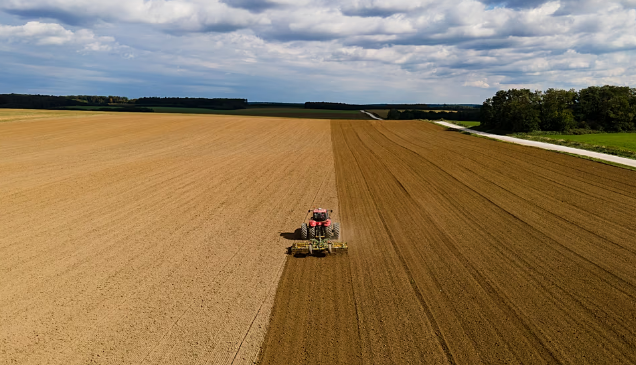
Soil degradation could cost the European Union between €286 billion and €509 billion over its next seven-year budget period if damage continues at current rates, according to an estimate by environmental campaign group Save Soil.
The group is calling on the EU to use its next Common Agricultural Policy (CAP), the bloc’s agricultural subsidy programme, to reward farmers for measurable improvements in soil health rather than leaving them to shoulder the financial burden of restoring damaged land.
The estimate, published on Thursday, covers the EU’s 2028-2034 long-term budget and is based on research by the European Commission’s Joint Research Centre (JRC). The Commission’s scientific service estimates that soil degradation costs the bloc between €40.9 billion and €72.7 billion annually.
Save Soil calculated the potential losses by multiplying the annual figures by seven years, the duration of the next EU budget cycle currently under negotiation.
The estimated costs include damage caused by soil erosion, contamination, compaction and the loss of soil carbon. The JRC has warned that the overall economic impact could be considerably higher if additional consequences, including biodiversity loss, flooding, droughts and health-related effects, were included.
Save Soil was established in 2022 by Indian spiritual leader Sadhguru and his non-profit organisation, the Isha Foundation, to encourage governments to introduce policies protecting and restoring soil.
“Europe is debating hundreds of billions in agricultural support while soil degradation is already imposing enormous costs on its economy,” said Rico Rau, lead author of the group’s report presented at COP31.
“The next CAP should not simply compensate farmers for the pressures they face. It should help them rebuild the productive asset their livelihoods depend on,” he added.
The debate comes as EU member states negotiate the bloc’s next long-term spending programme. In July 2025, the European Commission proposed reserving at least €300 billion for farmers’ income support and crisis assistance from 2028. Agriculture ministers agreed on their position on CAP rules on 26 October, although the final funding arrangements remain part of wider budget negotiations.
The scale of the problem is also raising concerns about Europe’s food industry. According to the European Commission, between 60% and 70% of soils across the EU are unhealthy, reducing their capacity to support agriculture, retain water and withstand extreme weather.
Save Soil warned that deteriorating land quality could reduce agricultural yields, increase production costs and disrupt food supply chains. The EU food and drink industry generates €1.5 trillion in annual turnover and employs 4.8 million people, according to industry organisation FoodDrinkEurope.
The group is proposing financial incentives for farmers who improve soil conditions, alongside rewards for those maintaining already healthy land. It also wants simpler soil monitoring requirements, stronger incentives through the EU’s carbon farming certification scheme and greater public procurement of sustainably produced food.
Sadhguru said farming must remain financially attractive to ensure future generations are willing to continue working in the sector, adding that food security depends on making agriculture a profitable livelihood.