

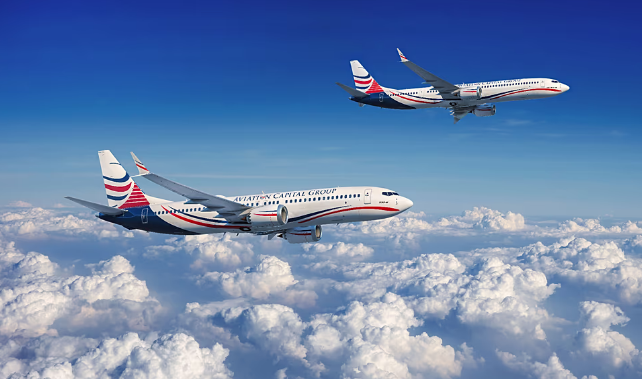
Turkish Airlines has announced plans to buy up to 150 aircraft from Boeing, with deliveries scheduled to take place between 2033 and 2037 as the carrier continues to expand its fleet.
The Turkish national airline said on Wednesday that it had decided to purchase 150 Boeing aircraft, comprising a firm order for 100 Boeing 737 MAX jets and an option to acquire another 50 aircraft.
The announcement came while Turkish President Recep Tayyip Erdogan was in New York for the United Nations General Assembly. Erdogan had met US President Donald Trump a day earlier alongside other Middle Eastern leaders on the sidelines of the gathering.
Trump welcomed the aircraft deal, describing it as a significant development for Boeing and US manufacturing. In a post on his Truth Social platform, he also referred to Bangladesh’s plans to purchase additional Boeing aircraft.
Trump said the agreements would generate tens of billions of dollars in sales and support tens of thousands of jobs in the United States.
The Turkish Airlines announcement comes almost a year after the carrier disclosed plans to purchase another 225 Boeing aircraft following talks between Erdogan and Trump at the White House.
The latest agreement forms part of the airline’s longer-term fleet planning as it prepares for continued growth in passenger demand and international routes.
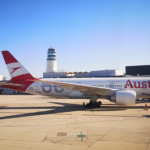
Turkish Airlines, based at Istanbul Airport, operates one of the world’s largest international airline networks. According to figures published on its website, the carrier had a fleet of 514 aircraft and served more than 130 countries.
The airline carried 92.6 million passengers in 2025, highlighting the scale of its operations and its role as a major international aviation hub connecting Europe, Asia, Africa and other regions through Istanbul.
The 737 MAX is a narrow-body aircraft family used extensively by airlines for short and medium-haul routes. Adding more of the aircraft to its future fleet would provide Turkish Airlines with additional capacity for routes where passenger demand supports increased frequencies.
The planned deliveries from 2033 onward also give the airline several years to prepare for the expansion and adjust its fleet according to market conditions.
The deal is also significant for Boeing, which is seeking to maintain a strong order pipeline from major international carriers. Large aircraft agreements can provide manufacturers with long-term visibility on production while supporting activity across their wider supplier networks.
Turkish Airlines has not provided further details on the financial value of the agreement or the specific configuration of the aircraft. The airline’s existing order and the new commitment reflect its continued reliance on Boeing aircraft as it plans for the next phase of its international expansion.