New US tariffs of up to 100% on drones and selected drone components took effect on Thursday as Washington seeks to reduce the country’s dependence on Chinese suppliers in an industry dominated by China.
The duties were introduced under an order signed by US President Donald Trump in August. The White House said the measures were aimed at addressing “the national security threat posed by imports of drones and their components” while strengthening domestic supply chains.
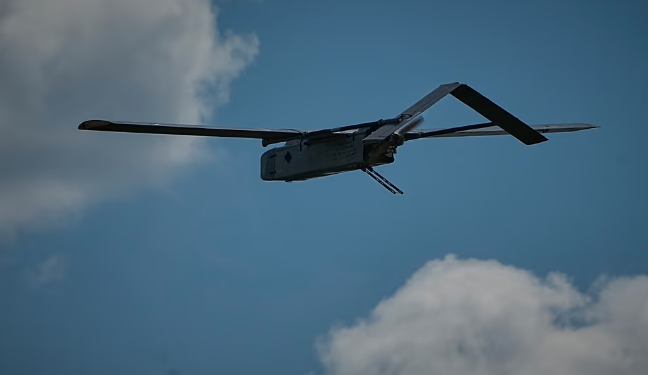
Drones have become increasingly important for military operations, surveillance and critical infrastructure. Their widespread use during the war in Ukraine has highlighted their role in modern warfare and demonstrated how important access to reliable drone technology can be on the battlefield.
US officials have raised concerns about the country’s dependence on Chinese-made drones and components, particularly products manufactured by DJI, the world’s largest commercial drone maker. They argue that reliance on foreign technology could create risks involving disruption, espionage and access to equipment during a conflict.
Under the new tariff structure, drones with a takeoff weight of more than 25 kilograms will face a 100% duty. The same rate applies to drones equipped with thermal imaging capabilities and certain docking stations.
Smaller drones will face a 25% tariff.
Some drone components classified as less sensitive will also be subject to additional duties, although those measures will not take effect until February 9 next year.
The new tariffs are part of a broader effort by the Trump administration to encourage domestic production and reduce exposure to overseas supply chains in sectors considered strategically important.
China has strongly opposed the measures. Beijing called on Washington to withdraw the tariffs shortly after they were announced.
A Chinese commerce ministry spokesman said the duties would “disrupt the global drone supply chain and further undermine a fair and competitive market environment.” He said China firmly opposed the move.
DJI has a particularly strong position in the global drone industry. The company, which was founded in 2006, has accounted for more than two-thirds of the worldwide drone market in recent years, according to several industry studies.
The company has also faced increasing scrutiny from US authorities. Since 2022, DJI has been included on a US government list of Chinese companies considered linked to China’s military, restricting its access to certain US technologies.
DJI has challenged its inclusion on the list and has rejected the allegations surrounding its classification.
The new tariffs could increase costs for US consumers, businesses and organisations that rely on imported drone equipment. At the same time, Washington hopes the measures will encourage manufacturers to establish or expand production inside the United States.
The policy marks another step in the growing technology and trade tensions between Washington and Beijing, with drones emerging as a strategically important industry because of their expanding role in defence, security and commercial operations.