


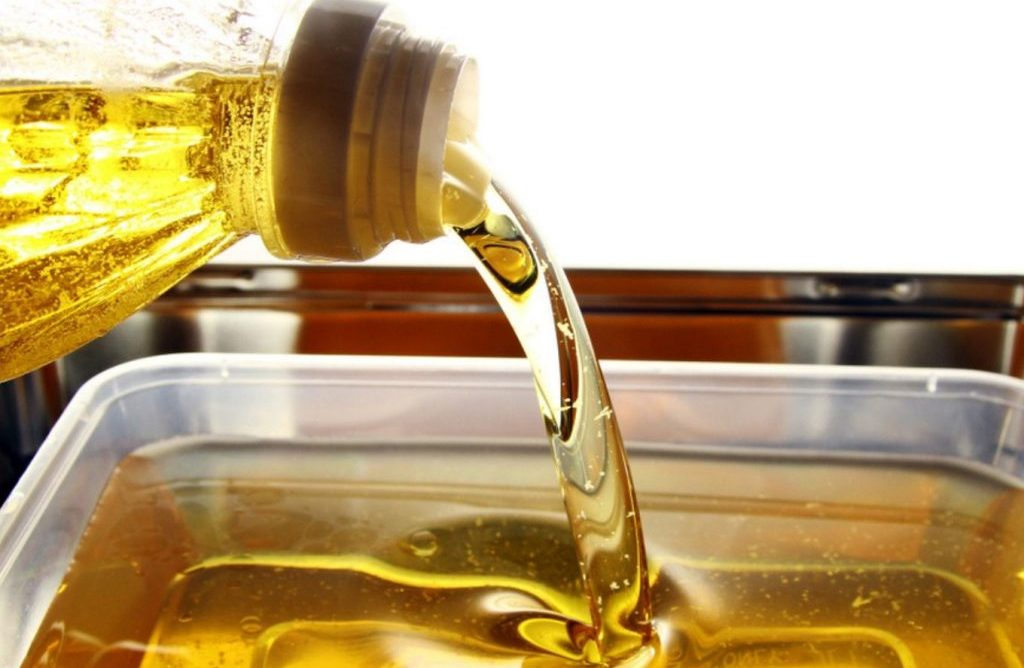
Used cooking oil is one of the most common waste streams produced by restaurants, cafés, hotels, takeaways, canteens and food manufacturers in Ireland. It may look harmless once it cools in a fryer or pan, but if it is poured into a sink, drain or yard gully, it can create serious operational, environmental and compliance problems. Correct collection is therefore not only a housekeeping task; it is part of responsible waste management, sewer protection and circular-economy practice.
In simple terms, used cooking oil collection in Ireland works through separation at source, safe storage on site, collection by a permitted or licensed operator, documented transfer, and onward recycling or recovery. The same principle applies whether a business is dealing with a few drums of oil per month or large volumes from high-output commercial fryers. For households, the process is smaller in scale, but the basic rule remains the same: fats, oils and grease should not be poured down the drain.
For food businesses, the first step is proper fryer oil disposal. Oil should be allowed to cool, filtered if required by the kitchen’s own operating procedure, and transferred into a secure container supplied by the waste oil collector or approved for that purpose. These containers should be kept closed, clearly identified and stored in a place where spills can be contained. Mixing used cooking oil with water, chemicals, general waste, detergents or other oils can reduce its recycling value and may create additional compliance risks.
The second step is choosing the right collector. In the Republic of Ireland, businesses should work with a waste operator that is permitted to collect the relevant waste type in the relevant local authority area. A professional collector will normally provide containers, agree a collection schedule, issue the correct documentation and transport the used oil to an authorised facility. For restaurants and takeaways, this documentation is important because it proves that waste has not simply been dumped, poured into drains or handed to an unsuitable operator.
A typical collection arrangement is straightforward. The business estimates its oil volume, the collector supplies drums, barrels or larger tanks, and collections are scheduled weekly, fortnightly, monthly or on demand. High-volume premises such as fast-food outlets may need frequent collections, while smaller cafés may only need periodic service. The best providers adjust the schedule to the actual rate of oil generation, helping kitchens avoid overflowing containers, odours, pest issues and unnecessary call-out costs.
The phrase waste oil collection ireland is often used by businesses searching for a nationwide or regional service, but the cheapest option is not always the safest one. A good provider should be able to explain where the oil goes, what paperwork will be issued, what containers are suitable, how spills are managed and whether the service covers grease trap waste as well as used fryer oil. Businesses should also check whether the collector can support multiple sites, especially where a restaurant group operates in Dublin, Cork, Galway, Limerick, Waterford or across several counties.
Once collected, used cooking oil can be processed for recovery. In many cases, it is cleaned, treated and used as a feedstock for biodiesel or other renewable fuel applications. This is one reason why clean segregation matters. Oil that is well separated at source has a higher recovery value and is easier to process. Contaminated oil, by contrast, may require additional treatment or may be unsuitable for certain recovery routes.
Used cooking oil collection is also closely connected with FOG management. FOG stands for fats, oils and grease, and it is a major cause of blockages in private drains and public sewer networks. In commercial kitchens, FOG can come from fryers, pans, roasting trays, sauces, dairy products, meat fats and wash-up water. Even small daily discharges can build up over time, forming deposits inside pipes and contributing to odours, slow drainage, flooding and expensive emergency works.
That is why oil collection should be supported by good kitchen procedures. Staff should scrape plates before washing, dry-wipe greasy pans with disposable paper where appropriate, use sink strainers, maintain grease traps or grease management systems, and keep records of cleaning and collection. Used cooking oil should never be treated as ordinary wastewater. A kitchen that manages oil properly protects its plumbing, reduces disruption and demonstrates a more professional approach during inspections or landlord reviews.
For households, the process is different but the principle is the same. Small amounts of cooled fat or oil can be absorbed or contained according to local waste guidance, while larger amounts of cooking oil should be brought to a suitable civic amenity or recycling facility where this service is available. Pouring oil down the sink may seem convenient, but it can harden, stick to pipe walls and combine with other materials to form blockages. The cost of fixing those blockages is usually much higher than the effort required to dispose of the oil properly.
Northern Ireland follows a similar practical model but operates under a different regulatory framework. Businesses looking for Waste Oil Collection Northern Ireland services should pay close attention to duty-of-care requirements. This means a business must take reasonable steps to ensure its waste is stored safely, transferred only to an authorised person, described accurately and managed without harming the environment. In practice, this requires proper records, suitable storage and a collector that can demonstrate compliance.
Cross-border operators need to be especially careful. A business with sites in both the Republic of Ireland and Northern Ireland should not assume that one set of paperwork or one regulatory reference covers all locations. The island may operate as one commercial market for many food businesses, but waste regulation is jurisdiction-specific. Collection permits, waste transfer documents, carrier obligations and facility authorisations should be checked for the relevant side of the border.
From a business perspective, a reliable used cooking oil collection system has several advantages. It reduces the risk of blocked drains, helps maintain hygiene standards, supports compliance with waste rules, improves sustainability reporting and can simplify day-to-day kitchen operations. In some cases, depending on market conditions and oil quality, used cooking oil may also have a rebate value. However, businesses should not select a provider on rebate alone. Compliance, documentation, collection reliability and environmental traceability are more important over the long term.
The most common mistakes are easy to avoid. Do not pour oil into sinks, toilets, storm drains or yard drains. Do not leave open drums behind a premises. Do not mix used cooking oil with chemicals, water or food waste. Do not allow containers to overflow. Do not rely on an informal collector who cannot provide evidence of authorisation. And do not wait until there is a drainage problem before implementing a collection routine.
A simple best-practice checklist can help. First, identify every point where oil is generated: fryers, grills, pans, roasting areas and preparation stations. Second, train staff on what goes into the used oil container and what does not. Third, use sealed containers in a safe storage area. Fourth, arrange collections at a frequency that matches actual usage. Fifth, keep collection dockets, transfer notes, invoices and service records in one place. Sixth, review the system periodically, especially after menu changes, seasonal peaks or increased trading hours.
For new food businesses in Ireland, used oil management should be planned before opening. It should be part of the kitchen layout, waste storage design, cleaning schedule and supplier onboarding process. Retrofitting a solution after problems appear is usually more expensive and disruptive. For established premises, an audit of oil use and disposal practices can quickly reveal whether the current arrangement is adequate.
In summary, used cooking oil collection in Ireland is a structured process built around safe storage, authorised collection, documentation and recycling. For commercial kitchens, it is part of professional waste management and FOG control. For households, it is a simple but important environmental habit. Whether the immediate concern is fryer oil disposal, waste oil collection ireland, or Waste Oil Collection Northern Ireland, the core message is the same: keep oil out of drains, keep records where required, use reputable collectors and treat used cooking oil as a recoverable resource rather than a nuisance waste.