

As heatwaves become more frequent and severe, health experts are urging parents to take extra precautions to protect infants and young children from heat-related illness.
Toddlers and young children need outdoor activity for healthy physical and mental development, but their bodies are more vulnerable to high temperatures than those of adults. Parents are being advised to limit exposure during the hottest parts of the day and watch closely for signs of dehydration and overheating.
Europe has experienced record temperatures this summer, with extreme heat linked to more than 10,000 excess deaths across the region. Human-driven climate change is making heatwaves longer, more intense and more widespread.
Katherine Williamson, a paediatrician with Rady Children’s Health in California, said heat exposure was becoming a growing concern for families.
“Heat has become something that’s more commonplace as a potential injury,” she said, comparing it with other risks parents routinely consider, such as drowning and choking.
Globally, more than 1.5 billion children are exposed to frequent and severe heatwaves, according to a recent UNICEF analysis. The agency has also reported that rising temperatures in Europe and Central Asia are linked to nearly 400 child deaths each year.
Children warm up faster than adults because they sweat less relative to their body size and have a higher metabolic rate. Babies and toddlers can therefore become dehydrated more quickly during hot weather.
Parents should look for warning signs such as a lack of tears when a baby cries or fewer wet nappies. Offering smaller feeds more frequently can help babies maintain adequate fluid intake. Fatigue, flushed skin and unusual irritability can also signal that a child needs to cool down.
Experts recommend avoiding outdoor activities during the hottest hours, dressing children in loose, light-coloured clothing and using sunscreen. Water-rich foods such as watermelon and strawberries can also help with hydration.
Debra Langlois, a paediatrician at the University of Michigan Health C.S. Mott Children’s Hospital, said caregivers should remember that babies are affected by heat in much the same way as adults.
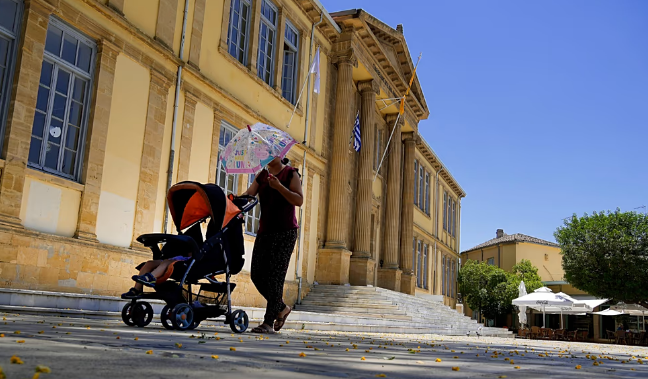
Parents should also avoid covering pushchairs with blankets or other materials, even if the intention is to block direct sunlight. Such coverings can restrict airflow and trap heat inside the stroller.
The World Health Organization recommends using a thin, wet cloth that is regularly re-wetted, along with a portable fan where appropriate.
Experts also warn that children must never be left alone in parked vehicles. Temperatures inside cars can rise rapidly, even when vehicles are parked in shade or windows are slightly open.
To cool a hot vehicle before placing a child inside, experts recommend opening the windows briefly while running the air conditioning.