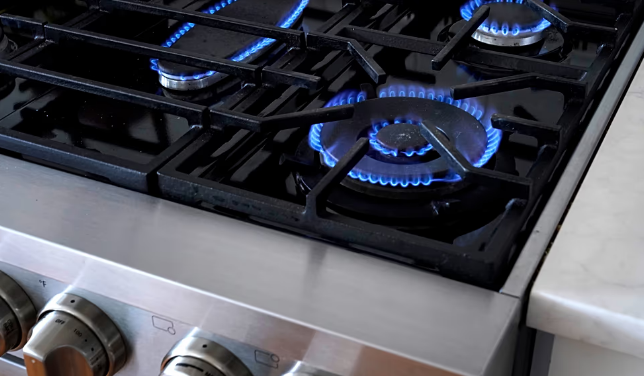
Replacing a natural gas stove with an electric induction model may significantly improve asthma symptoms by reducing indoor air pollution, according to researchers at Case Western Reserve University in the United States.
The study found that switching from gas to electric cooking reduced indoor nitrogen dioxide levels by 70 per cent. The decline in pollution was linked to improvements in asthma symptoms among people with poorly controlled asthma.
Natural gas stoves release nitrogen dioxide and other nitrogen oxides when they burn fuel. These pollutants can accumulate indoors and may worsen breathing problems or trigger asthma attacks.
Researchers said the improvements seen after replacing gas stoves were comparable to, and in some cases greater than, those reported in clinical trials of commonly used asthma medicines.
Participants reported fewer breathing difficulties, fewer restrictions on daily activities and less need for rescue inhalers after the change. Emergency room visits and hospitalisations related to asthma also fell by 70 per cent among the participants, while missed days from work or school dropped by about 80 per cent.
The researchers chose electric induction stoves because they heat and cool quickly and are generally easier to clean than traditional electric coil models.
Ashwini Sehgal, a co-author of the study, said the findings suggested that reducing exposure to indoor pollution could play an important role in asthma management.
However, the researchers stressed that changing a stove is not a cure for asthma and may not benefit every patient. People with asthma should continue taking prescribed medication and working with their doctors to manage the condition.
They should also try to reduce exposure to other common triggers, including cigarette smoke, dust mites, pollen and viral respiratory infections.
The cost of replacing a gas stove with an electric model could also prevent some households from making the switch. Researchers said the expense may be particularly difficult for low-income communities.
They suggested that governments or health insurers could consider financial support for households with patients suffering from poorly controlled asthma. The potential cost of replacing stoves could be offset in some cases by reductions in emergency treatment and hospital admissions.
The study involved 85 people with poorly controlled asthma. The research project was initially awarded three years of funding through the US Environmental Protection Agency’s Community Change Grants Program in December 2024.
However, the Trump administration ended the project before the planned completion date, leaving researchers unable to enrol additional participants after May 2025.
The findings add to growing concerns about indoor air quality and the health effects of gas cooking. Researchers said further work would be needed to determine how widely the results apply, but reducing indoor pollution could offer another way to support people managing asthma alongside standard medical treatment.