


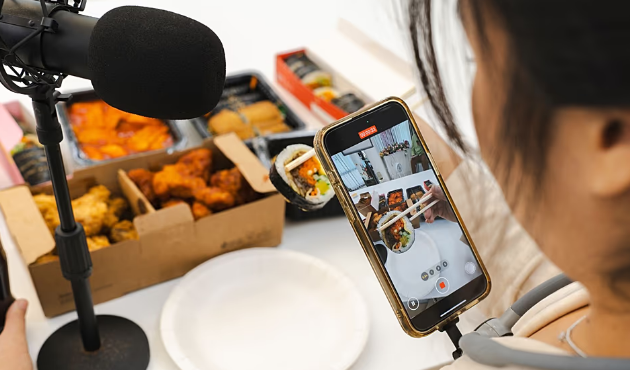
TikTok is influencing what teenagers want to eat, with viral dishes, restaurant reviews, recipes and influencer diets all capable of shaping food preferences, according to new research.
A study of 25 teenagers aged 15 to 16 found that food content on the platform could trigger cravings, encourage young people to try unfamiliar foods and influence eating habits as teenagers attempted to imitate online personalities.
Adrianna N. Bell, one of the study’s authors, said adolescents viewed TikTok as a highly engaging environment where food videos could quickly attract attention and create a desire to eat or try something new.
Trending foods appeared particularly powerful because teenagers saw large numbers of other users trying them. One participant said the popularity of a particular food made them curious about why so many people wanted to try it.
The visual presentation of food also played an important role. Attractive images, professionally produced videos and positive comments could increase interest, while comments from other users sometimes influenced whether teenagers considered a recommendation trustworthy.
Influencers added another layer to the platform’s influence. Some teenagers described changing what they ate after watching creators with physiques they admired.
One participant said they sometimes looked at what muscular influencers ate and changed their own diet in an effort to achieve a similar appearance.
The researchers said influencers do not always need to promote a specific product to affect eating behaviour. Food can instead be presented as part of a lifestyle associated with a certain body shape, fitness level or appearance.
Repeated exposure can also change how teenagers view less healthy foods. One participant said seeing large amounts of fast-food content on TikTok had made such food seem less unhealthy or unusual.
The findings add to concerns about social media marketing aimed at young people. Studies have found that teenagers are frequently exposed to online advertising for foods high in fat, sugar and salt and can respond strongly to promotions from celebrities and influencers.
TikTok can make commercial messages harder to identify because advertising may appear as a recipe, restaurant review, viral trend or ordinary creator video.
The research also highlighted a potential role for parents. Most participants said their parents had limited involvement in their day-to-day TikTok use. However, teenagers described benefits when parents interrupted prolonged exposure to food content or discussed what they were seeing online.
Family meals, time with siblings and simply having parents nearb