


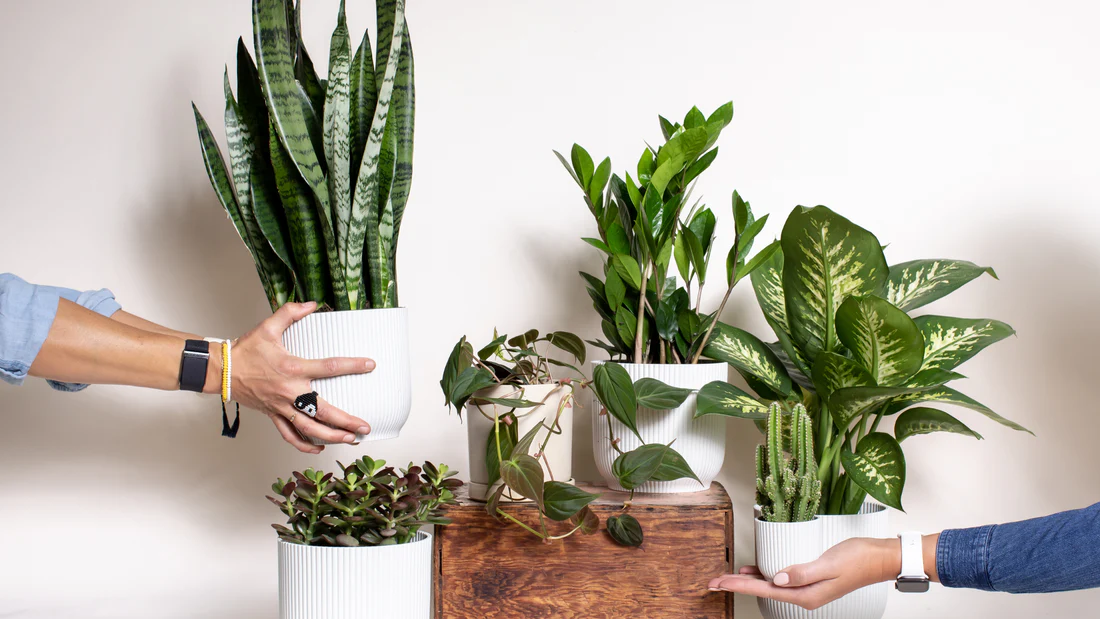
In recent years, indoor plants have become more than just decorative elements. With increasing awareness about air quality, health, and well-being, people are turning to houseplants as natural solutions to improve their living environments. But can indoor plants really purify the air?
The answer is yes—when chosen and cared for correctly, certain plants can help reduce pollutants, regulate humidity, and create a more comfortable indoor atmosphere. In this guide, we’ll explore the best indoor plants for air quality, how they work, and how to take care of them properly to maximize their benefits.
🌱 How Indoor Plants Improve Air Quality
Indoor environments often contain pollutants such as formaldehyde, benzene, carbon monoxide, and volatile organic compounds (VOCs). These can come from furniture, cleaning products, paints, and even electronics.
Plants contribute to cleaner air through:
- Photosynthesis: absorbing carbon dioxide and releasing oxygen
- Phytoremediation: absorbing harmful chemicals through leaves and roots
- Humidity regulation: releasing moisture into the air
- Microbial activity in soil: breaking down toxins
While plants alone won’t replace air purifiers, they can significantly enhance indoor air quality when combined with proper ventilation.
🌿 Top Indoor Plants That Improve Air Quality
1. Snake Plant (Sansevieria)
One of the most popular air-purifying plants, the snake plant is known for its ability to convert CO₂ into oxygen even at night. It’s incredibly low maintenance and thrives in low light conditions.
Benefits:
- Filters formaldehyde and benzene
- Improves nighttime air quality
- Requires minimal watering
2. Peace Lily (Spathiphyllum)
Peace lilies are elegant plants with white blooms that also act as natural air filters. They are particularly effective at removing airborne toxins.
Benefits:
- Removes ammonia, benzene, and formaldehyde
- Adds humidity to dry environments
- Ideal for bedrooms and living rooms
3. Spider Plant (Chlorophytum comosum)
A great choice for beginners, the spider plant is resilient and grows quickly. It’s especially effective in removing carbon monoxide and toxins from indoor air.
Benefits:
- Easy to grow and propagate
- Safe for pets
- Great for kitchens and offices
4. Areca Palm (Dypsis lutescens)
This tropical plant is not only visually appealing but also excellent at humidifying the air.
Benefits:
- Natural humidifier
- Improves overall air freshness
- Perfect for larger rooms
5. Dracaena
Dracaena plants are known for their striking appearance and powerful air-cleaning properties.
Benefits:
- Removes multiple indoor toxins
- Requires moderate care
- Available in various decorative forms
🌿 The Science Behind Air-Purifying Plants
NASA’s Clean Air Study (often cited in discussions about indoor plants) showed that certain plants can remove toxins from sealed environments. However, in real-life conditions, the effectiveness depends on several factors:
- Number of plants
- Size of the room
- Air circulation
- Type of pollutants
👉 This is why combining plants with proper care and maintenance is essential.
If you want to learn more about how to maintain healthy indoor plants and maximize their benefits, you can explore a complete indoor plant care guide on biogesandco.com.
🌱 How to Care for Indoor Plants Properly
Choosing the right plant is only the first step. Proper care ensures that plants remain healthy and continue to contribute to air quality.
☀️ Light Requirements
Different plants require different light levels:
- Low light: snake plant, peace lily
- Medium light: dracaena
- Bright indirect light: areca palm
💧 Watering
Overwatering is one of the most common mistakes.
- Check soil moisture before watering
- Use well-draining soil
- Avoid water stagnation
🌡️ Temperature & Humidity
Most indoor plants thrive between 18°C and 26°C.
Humidity is also crucial, especially in dry indoor environments.
🌿 Fertilization
To keep plants healthy and growing, proper nutrition is essential. Using the right nutrients ensures stronger roots, greener leaves, and better resistance to stress.
👉 A balanced liquid fertilizer is often the best solution for indoor plants, as it provides essential nutrients in an easily absorbable form.
🌍 Why Indoor Plants Are Essential in Modern Homes
Modern homes are often tightly sealed for energy efficiency, which can lead to poor air circulation. This makes indoor air quality even more important.
Indoor plants provide:
- Aesthetic value
- Psychological benefits (reduced stress and anxiety)
- Improved productivity
- Better overall well-being
Studies have shown that environments with plants can boost mood and concentration, making them ideal for both homes and workspaces.
🪴 Creating Your Indoor Green Space
You don’t need a jungle to benefit from indoor plants. Even a small selection can make a difference.
Tips:
- Start with 2–3 easy plants
- Place them in frequently used rooms
- Combine different plant types
- Use decorative pots to match your interior
🌿 Common Mistakes to Avoid
- Overwatering plants
- Placing plants in the wrong light conditions
- Ignoring pests or leaf discoloration
- Using poor-quality soil
Taking time to understand each plant’s needs will dramatically improve results.
🌱 Indoor Plants and Sustainability
Indoor plants also contribute to a more sustainable lifestyle:
- Reduce the need for artificial humidifiers
- Promote eco-friendly living
- Encourage awareness of natural environments
They are a simple yet powerful way to reconnect with nature, even in urban settings.
✅ Conclusion
Indoor plants are more than just decorative elements—they are natural allies in improving air quality and enhancing your living space. By selecting the right plants and providing proper care, you can create a healthier, more comfortable environment for yourself and your family.
Whether you’re a beginner or an experienced plant enthusiast, investing in indoor greenery is a step toward better living.
🔗 About biogesandco.com
For those looking to deepen their knowledge about plant care, fertilization, and indoor gardening, Biogesandco offers a wide range of resources and expert insights. From choosing the right plants to understanding how to nourish them properly, the platform provides valuable information for both beginners and advanced enthusiasts.