NATO leaders will pledge to uphold the alliance’s collective defence and designate Russia as a long-term threat to security at a NATO summit in Turkey next week, according to a draft declaration which has been agreed by all 32 member governments.
NATO allies are “fully committed” to Article 5 of the alliance’s founding treaty, which says “an attack against one is an attack against all,” the document, viewed by Euronews, reads. Formal approval by heads of state and government at the end of the summit meeting July 8 is still to be made.
The draft also says Russia is a “long-term threat to Euro-Atlantic security and stability” and pledges to give Ukraine an extra €70 billion to support it. It also asks for allied countries to keep providing a comparable level of support in 2027.
NATO’s concern over regional security is echoed in another part of the declaration which says Iran can never have a nuclear weapon.
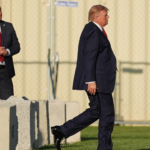
The renewed affirmation of Article 5 will probably be of special interest after remarks recently made by US President Donald Trump, who has raised doubts about the United States’ obligations to come to the defence of NATO members who have not been fulfilling their defence spending pledges.
Trump has been pressing EU nations to take more responsibility for their own defense and lessen reliance on U.S. forces.
European members and Canada are likely to stress at the Ankara summit the efforts that have been made to boost defence spending and show the alliance is adjusting to a new security landscape. The process has been termed a shift towards a greater European presence in NATO, according to NATO officials.
They’ve been bolstered by recent policy decisions in the United States. In May, Washington said it would scale back the number of military assets it would put into the mix of NATO operations, including some long-range bombers, fighter planes, submarines and naval ships that would have been available during wartime.
Allies have been told of the changes, which means European nations will no longer be able to count on American taxpayers to pay for their continent’s security, US Ambassador to NATO Matthew Whittaker said.
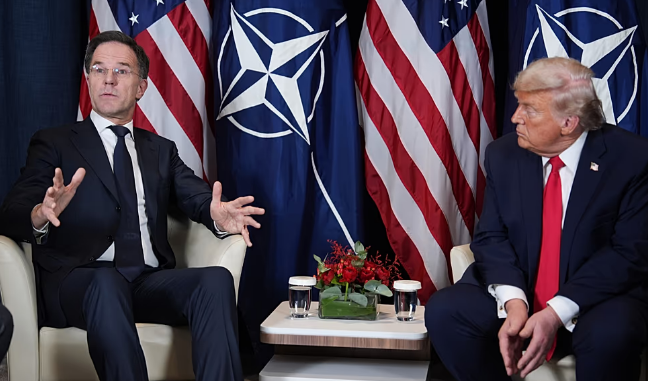
During the summit, NATO Secretary General Mark Rutte likely will underscore the rise in defence spending by Europe’s allies and Canada. Officials with knowledge of preparations said that the core defence spending by those countries had increased by 20% over the previous year, which is about $258 billion in total investments over 2025 and 2026.
Rutte is also likely to point out that since Trump’s first administration, NATO allies have spent a total of roughly $1 trillion on defence, which must now be reflected in improved defence strength, more personnel and more defence production.
The summit takes place amid rising geopolitical tensions and as NATO aims to strengthen its unity and adjust to new security threats in Europe and around the world.