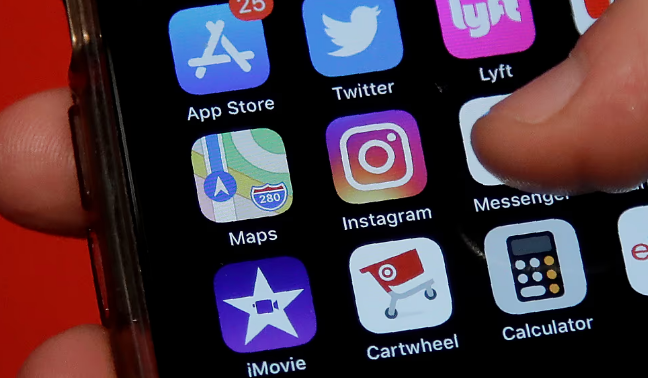
Smartphones and social media have become part of everyday life, but experts are increasingly examining what happens when digital habits become difficult to control. Behaviours such as doomscrolling, FOMO, nomophobia and problematic social media use are attracting growing attention as they begin to interfere with sleep, work, education, relationships and physical activity.
Not every person who spends hours online has an addiction. The key issue is whether someone can control their behaviour and whether excessive use causes significant problems in daily life.
Gaming disorder is currently the clearest example of a recognised digital condition. The World Health Organization includes it in the ICD-11 classification. It involves losing control over gaming, giving it greater priority than other activities and continuing to play despite harmful consequences. Symptoms generally need to persist for at least 12 months and cause substantial disruption to personal, social, educational or professional life.
Social media addiction is less clearly defined. It is not currently recognised as a separate ICD-11 diagnosis, but researchers often describe problematic social media use. Warning signs include repeatedly checking platforms, spending longer online than intended, becoming distressed when access is unavailable and neglecting other responsibilities.
A major WHO survey involving almost 280,000 adolescents aged 11, 13 and 15 across 44 countries and regions found that 11% showed signs of problematic social media use, up from 7% in 2018. The figure was 13% among girls and 9% among boys.
FOMO, or the fear of missing out, can also encourage repeated checking of messages, social networks and news. Researchers have linked FOMO with problematic online behaviour and difficulties managing emotions.
Doomscrolling describes repeatedly consuming negative news about wars, disasters, accidents and other crises. Although people may seek information to feel prepared, constant exposure to distressing material can increase anxiety and create a cycle of worry and further checking.
Nomophobia refers to anxiety associated with being without a mobile phone or losing access to digital connections. It is not an official medical diagnosis, but researchers are studying its relationship with FOMO, social media use and anxiety.
Other technology-related experiences include phantom vibration syndrome, where people believe their phone has vibrated when it has not, and sleep problems caused by late-night screen use.
The physical effects can also matter. Long periods on smartphones may contribute to inactivity, eye strain and neck or muscle discomfort.
Experts say the most important question is not simply how many hours someone spends on a phone. It is whether they can put it down and whether continued use is damaging other parts of their life.
When digital activity begins taking priority over sleep, work, study, relationships or physical activity, it may be time to reconsider how technology is being used.