


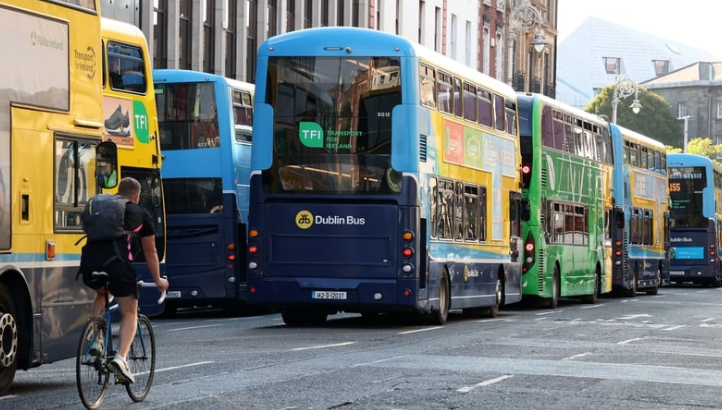
More than one-third of Ireland’s workforce is considering changing jobs in a bid to improve their daily commute, according to new research from digital mobility platform KINTO Join. The survey, released as part of KINTO’s Ireland on the Move study, underscores growing dissatisfaction with commuting conditions, particularly among younger workers.
Among respondents aged 18 to 34, the percentage considering a job switch to shorten their travel time rose to 42%. The findings suggest that commuting convenience is becoming a major factor in employment decisions, especially for younger professionals entering or navigating the workforce.
The survey, which polled 1,000 Irish commuters including both employees and university students, revealed that 65% of workers are more likely to remain in a job if it offers better commuting options. A further 68% said they would reject a job offer altogether if the commute were too long.
More than 70% of respondents said they would prioritise employers or universities that provide free or low-cost shuttle bus services, while 60% believe that institutions should take a more active role in improving the commuting experience.
Around 30% of those surveyed felt that organisations should go further by incentivising sustainable travel options. Flexible working hours and travel-related reward schemes were listed among the most popular strategies that could help ease commuting challenges.
Patrizia Niehaus, CEO of KINTO Join, said the survey results should be a wake-up call for employers and universities alike.
“Commuters in Ireland clearly care about how they travel to work, with many making career decisions with this in mind. However, they lack choice and support,” she said. “In turn, organisations are potentially missing out on the best talent and undermining their own sustainability objectives.”
She added that practical measures such as shuttle services or staff incentives can significantly enhance the commuting experience and contribute to broader environmental goals.
The findings come at a time when employers are under increasing pressure to offer flexible and environmentally responsible transport options, particularly as cities across Europe focus on reducing carbon emissions and encouraging greener travel habits.
As hybrid work models become more common and sustainability remains high on the public agenda, experts suggest that commuting incentives could play an important role in employee retention and recruitment in the years ahead.