
With a looming August 1 deadline for sweeping tariff hikes, US President Donald Trump imposed a fresh wave of trade levies targeting key global partners, prompting a flurry of last-minute negotiations as countries scrambled to avoid punitive rates.
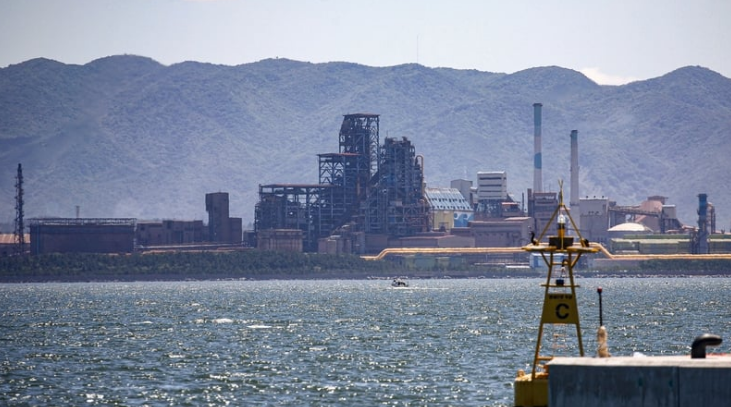
South Korea secured a last-minute deal to cap US tariffs at 15% on its exports—well below the 25% initially threatened by Washington. The compromise also included a commitment by Seoul to invest a “large sum” in the United States. South Korea’s presidential office confirmed that auto exports, a major industry for the country, will also face a 15% duty under the new arrangement.
Other nations were not as fortunate. Brazil was hit with a hefty 50% tariff, though implementation was delayed until August 6 and several key exports, including orange juice, iron ore, and civil aircraft, were exempted. The US also sanctioned a Brazilian judge involved in the trial of former president Jair Bolsonaro—Trump’s far-right ally—drawing criticism from Brazilian President Luiz Inácio Lula da Silva, who vowed to defend Brazil’s sovereignty.
India will face a 25% tariff starting Friday, after trade talks with Washington failed to yield a deal. Trump cited India’s high existing tariffs and warned of additional penalties due to its continued defense and energy ties with Russia. “We have done very little business with India,” he said on Truth Social. “Their tariffs are too high, among the highest in the world.”
Canada also drew Trump’s ire after Prime Minister Mark Carney announced plans to back Palestinian statehood at the UN General Assembly in September. Trump warned the move could jeopardise trade negotiations, writing, “That will make it very hard for us to make a Trade Deal with them.”
The White House also confirmed it had finalised tariff agreements with Thailand and Cambodia, though no specifics were disclosed. Meanwhile, a new 50% levy was signed on select copper products, alongside the removal of a duty exemption for low-value foreign shipments. Copper ores and cathodes were spared, offering some relief to industries reliant on raw materials.
Initially proposed in April, the tariff package includes a minimum 10% duty on most imports, with higher rates set for specific countries. The White House twice delayed implementation to avoid market turbulence, but Trump stated the August 1 deadline would not be extended further, calling it “a big day for America.”
Though the administration argues the tariffs will boost domestic manufacturing and revenue, economists warn of rising inflation and dampened economic growth. A recent Yale study found the current average effective tariff rate is the highest since the 1930s, and analysts suggest consumer prices may soon rise as existing inventories deplete.
Countries including the UK, Vietnam, Japan, Indonesia, the Philippines, the EU, and South Korea have so far secured deals to avoid harsher measures. Meanwhile, US-China trade tensions remain in a delicate balance, with both sides working to maintain a fragile truce.