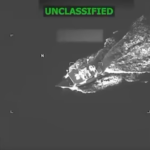


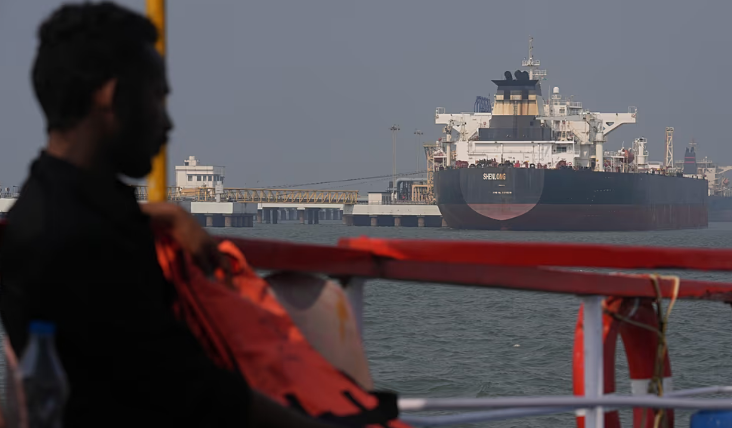
Dozens of ships are still navigating the Strait of Hormuz as Iran maintains oil exports despite continued attacks on one of the world’s most critical trade routes.
Around 90 vessels, including oil tankers, have crossed the strait since the conflict began earlier this month, according to maritime data. This comes even as most commercial traffic has been disrupted and nearly 20 ships have reportedly been targeted in the area. The strait, which normally carries about one-fifth of global oil supply, has seen a sharp drop in overall movement compared to pre-conflict levels.
Despite the risks, Iran has continued exporting oil, shipping more than 16 million barrels since the start of March, according to analytics firm Kpler. Much of this trade is believed to involve so-called “dark” shipping practices, where vessels avoid tracking systems to bypass sanctions and scrutiny. Analysts say many of these ships are linked to Iranian networks, while others have connections to countries such as China and Greece.
More recently, vessels tied to India and Pakistan have also passed through the strait following diplomatic engagement. Maritime data shows that the Pakistan-flagged tanker Karachi and India-linked gas carriers Shivalik and Nanda Devi successfully completed their journeys through the route in mid-March. Indian officials indicated that discussions with Tehran helped secure safe passage for the ships.
Experts say these crossings suggest the strait is not entirely closed but operating under selective conditions. Richard Meade, editor-in-chief of Lloyd’s List, said some vessels appear to be transiting with a degree of diplomatic coordination, often staying close to Iranian waters. There are also indications that certain ships have identified themselves as linked to China or staffed by Chinese crews, likely to reduce the risk of being targeted.
Oil markets remain highly sensitive to developments in the region. Prices have risen more than 40 per cent since the conflict began, briefly pushing Brent crude oil above $100 per barrel. The surge has prompted calls from Donald Trump for allied nations to help secure the waterway and restore stability to global energy supplies.
Iran has warned that it may block shipments destined for the United States, Israel and their allies, while allowing limited flows to continue. US officials have indicated that some Iranian exports are being tolerated to prevent further disruption to global markets.
Analysts say the current situation reflects a controlled but fragile balance, where the strait remains partially operational. While limited traffic continues, the risk of escalation remains high, and any further disruption could have significant consequences for global energy supply and prices.