


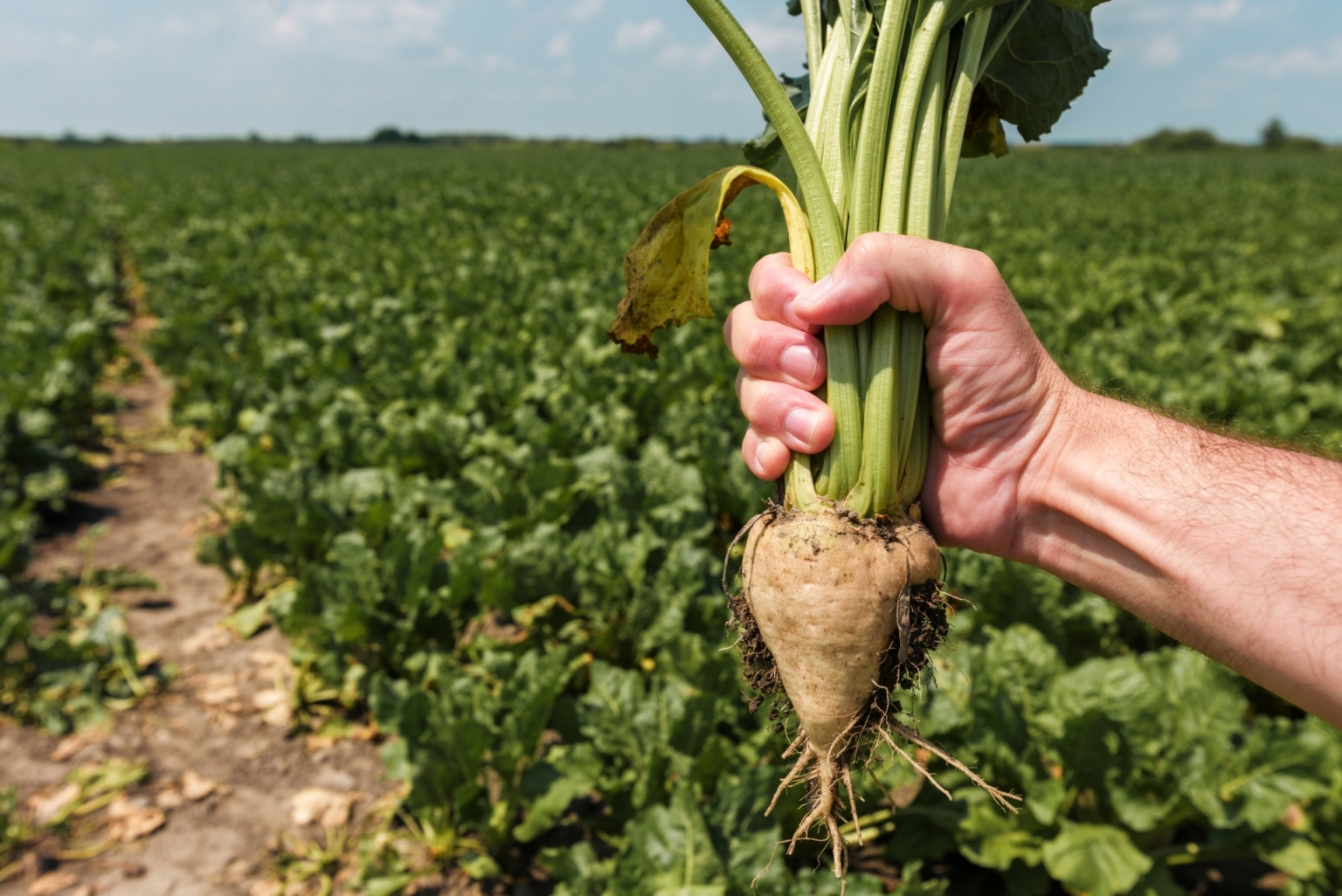
Beet sugar facilities often benefit from the reliable availability of raw materials, as sugar beet cultivation is well established and produces consistent yields in many regions. Modern processing technologies also enable high extraction efficiency, reducing waste and improving profitability. These plants typically generate additional revenue through by-products, such as beet pulp for livestock feed and molasses for the fermentation industry. Long-term contracts with food manufacturers can further stabilise income and reduce market volatility. Furthermore, compared to cane sugar, the production of beet sugar is generally less dependent on international trade fluctuations, offering resilience against global supply chain disruptions.
Given the growing interest in regional production and the potential for reduced transport costs, investing in a beet sugar plant could provide economic stability and opportunities for future expansion in related processing sectors. Before searching for sugar factory for sale in Ukraine or investing in such a plant , thorough research is essential. Check the plant equipment yourself or via a real estate agency to ensure that it does not require significant modernisation or repairs; typical equipment is closely connected to the sugar extraction process.
Beet sugar processing
Beet sugar processing begins with the beets being washed and sliced into thin strips called cossettes, which facilitates sugar extraction. Rather than crushing the beets, the sugar is extracted through a diffusion process in which hot water passes through the cossettes, dissolving the sucrose. The resulting raw juice contains non-sugar impurities, such as proteins, pectins and organic acids, and undergoes liming and carbonation – a two-step clarification process:
- Lime milk (calcium hydroxide) is added.
- Carbon dioxide is bubbled through the mixture.
This produces calcium carbonate, which binds the impurities that are then filtered out. The purified juice, known as ‘thin juice’, is concentrated in evaporators to produce ‘thick juice’, which is then crystallised under vacuum conditions to form sugar crystals. The crystals are separated from the molasses by centrifugation and then dried. Unlike cane molasses, beet molasses is typically unsuitable for direct food use and is instead processed for animal feed or fermentation.
Equipment needed for sugar extraction
As outlined above, the standard equipment can be categorised based on its function:
- The process usually starts with washing units that remove soil and debris from freshly harvested beetroot.
- Slicing machines then cut the beets into thin cossettes to improve extraction efficiency.
- Diffusion towers or continuous diffusers are then used to separate the sugar from the plant material via controlled hot-water extraction.
- To clean the raw juice, liming systems, carbonation tanks and filtration units are needed to remove impurities.
- Evaporators then concentrate the purified juice into a thick syrup, which is fed into vacuum pans where sugar crystals form under reduced pressure.
- Centrifuges then separate the crystals from the remaining syrup to ensure uniform grain quality.
Additional equipment includes dryers and coolers to stabilise the final product, as well as presses or pelletisers for by-products such as beet pulp. Automated conveyors, storage silos, and laboratory testing systems support continuous, quality-controlled production.